Choosing a country club community in Palm Beach County can feel like comparing five-star hotels. The homes are beautiful, but what you really live with every day are the amenities. If you boat, play racquet sports, golf, or just want a wellness-forward routine and a lively social calendar, the right club makes all the difference. In this guide, you’ll learn which amenities matter most, how to compare them across communities, and what to verify before you buy so you can move forward with confidence. Let’s dive in.
Why amenities drive value in The Palm Beaches
Lifestyle is a primary decision driver here. Palm Beach County’s income profile sits well above statewide averages, which helps explain why many buyers select neighborhoods by the quality of daily experiences as much as the home itself. You can see this backdrop in county-level data on household income and demographics.
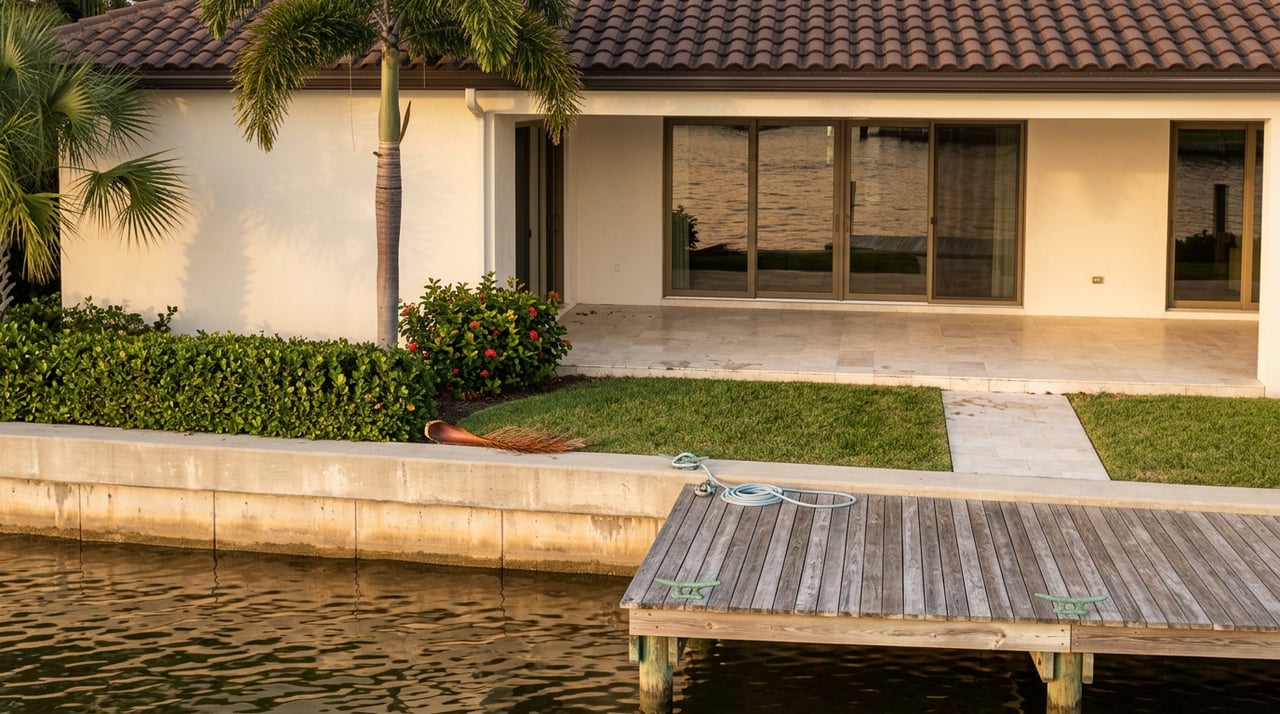
Local demand also reflects the water. Palm Beach County is among Florida’s largest recreational boating hubs, with rising registrations and limited dock capacity. That is why private marinas and deeded slips command attention from waterfront buyers, and why published slip programs offer a helpful apples-to-apples comparison. Regional marine reporting highlights the scale and constraints of boating access across the tri-county market.
Clubs are also investing where members spend time. Racquet sports, especially pickleball, have surged in participation, shifting club priorities toward purpose-built courts and organized league play. National participation data confirms the trend in the latest activity report.
Match amenities to your lifestyle
The Boater: marina access and dock rights
If your best days start on the water, focus on communities with on-site marinas, deeded or dedicated slips, and easy inlet access. Pay attention to maximum LOA and draft, shore power, fuel and pump-out, storm procedures, and service availability. These details turn boat ownership from a project into a simple part of your week.
- What to compare:
- Slip ownership vs. lease structure and transfer rules with a home sale.
- Distance in minutes to the nearest inlet and typical bridge openings.
- On-dock utilities, published slip and utility fees, and storm plans.
- Local examples: Admirals Cove in Jupiter illustrates a yacht-club culture with ocean access and a published slip and utility fee schedule, which is rare and useful for benchmarking. You will also find deep-water options in select communities across Jupiter and Boca Raton.
The Racquet Family: tennis and pickleball that run on time
For many households, racquet sports become the club’s daily heartbeat. Look for the number of courts, surfaces (Har-Tru, hydro), stadium or exhibition courts, and whether pickleball is dedicated or painted over tennis. Ask about peak-time reservations, team placements, and junior development. The surge in pickleball participation reflected in national activity data is mirrored here, and leading clubs have responded.
- What to compare:
- Court count by surface and lighting, dedicated pickleball courts, and event hosting.
- Pro staff depth, clinics, camps, and match play at peak hours.
- Local examples: Boca West showcases a large, purpose-built racquets complex and robust programming across tennis and pickleball. Review the club’s amenities overview to get a sense of scale and activity.
The Wellness Seeker: fitness, spa, and recovery
Wellness is no longer a nice-to-have. It is core to how many members use their club each week. Prioritize full-service fitness centers with year-round indoor spaces, varied class schedules, private training, spa menus, and on-site therapy or rehab partnerships. Depth of programming matters as much as square footage.
- What to compare:
- Facility size, class variety, personal training, and recovery options.
- Whether classes and services are included or billed per session.
- Local examples: BallenIsles in Palm Beach Gardens has invested significantly in wellness, with a new Sports & Lifestyle Complex that reflects where clubs are headed. You can see coverage of this investment in industry reporting.
The Dedicated Golfer: courses, practice, and access
If golf is your anchor, focus on course quality, design pedigree, and how the tee sheet runs in season. Strong clubs pair championship layouts with superior practice facilities, active teaching programs, and junior development. Also confirm the membership structure: golf mandatory vs. optional, and whether memberships are transferable with a home.
- What to compare:
- Number and type of courses, practice range and short-game options, and instruction.
- Tee-time policies, guest access, and off-season maintenance schedules.
- Local examples: BallenIsles, Old Palm, The Bear’s Club, and PGA National are frequently mentioned for championship-caliber golf and training environments. Expect differences in club culture, practice access, and governance that shape your day-to-day experience.
The Social Family: dining, events, and community
Dining variety, member events, and family programming determine how often you will use the club when you are not on a court or course. Look for a mix of signature dining rooms and casual venues, a visible social calendar, and multi-generational programming. Industry analysis shows clubs are investing in food and beverage to deepen member engagement, a trend outlined in club and resort reporting.
- What to compare:
- Number and style of dining venues, private event capacity, and reservation policies.
- Seasonal events, youth activities, and philanthropic or charity calendars.
- Local examples: Broken Sound and Boca West emphasize multiple dining venues and active calendars that carry through the year.
Membership models that shape your costs and access
Not all memberships look alike. Some clubs are equity, where members have ownership interests and a vote on major projects. Others are non-equity or resort-managed with different governance and return policies. Always confirm whether membership is mandatory for homeowners, whether it is transferable with a sale, and what approvals are required.
You will also see variability in initiation fees, dues, assessments, and waiting lists. Many clubs keep numbers private or adjust seasonally. Marina fees are sometimes more transparent. Admirals Cove, for example, publishes slip and utility rates by vessel size, which offers a window into comparative costs for boaters. If you plan to buy a property with dock rights or beach access, confirm whether your entitlement is deeded or a revocable license in the association documents.
What to verify before you sign in Florida
Florida law gives you important disclosure and review rights in condo and HOA communities. Before you commit, request association financials, reserve studies, and the most recent meeting minutes. The Florida Condominium Act outlines the framework for required documents and rescission windows, which you can review in the state statutes.
Also verify membership transfer rules in writing, including fees, timelines, and any background checks. If a marina is involved, ask for the legal form of your slip rights, insurance requirements, and the published fee schedule. For racquets and golf, request written policies on reservation systems, tee times, and guest access so you can plan realistic peak-season use.
How amenities influence resale value
Amenities not only shape your lifestyle. They also influence resale by expanding the pool of future buyers who will consider your home. Academic research using hedonic models shows a positive, but variable, premium for well-maintained golf views and for waterfront proximity. The magnitude depends on course quality, layout, and potential negatives like cart-path placement or tee-box noise. You can read a summary of these dynamics in published research on golf course design and real estate values.
The takeaway for you: let local comps and current club conditions guide pricing discussions. A top-tier marina, a modern racquets complex with active leagues, or championship practice facilities can materially support pricing for adjacent homes when supply is tight.
First-tour buyer checklist
Use this quick list when you tour homes and visit membership offices. Ask for answers in writing whenever possible.
- Membership structure: What types are offered today (golf, sports/tennis, social, marina), and which are transferable with a home purchase? Who approves transfers?
- Costs and timing: What are current initiation fees, monthly dues, and any waitlists? Are there seasonal adjustments or incentives?
- Assessments and reserves: What is the assessment policy? Are reserves funded to target levels? Any planned capital projects and funding sources?
- Golf access: What is the tee-time policy in peak season? Are practice areas open all day? How are clinics and junior programs scheduled?
- Racquets: How many courts by surface? What is the reservation system for leagues vs. drop-in play? Are there dedicated pickleball courts and a tournament calendar?
- Wellness: Are classes included or pay-per-use? Are there private training and rehab services on-site? Is the facility fully indoor and usable year-round?
- Dining and events: How many venues exist, and how does priority booking work for major events? How active is the social calendar during your preferred season?
- Marina details: Are slips deeded or leased? What are the published slip and utility fees, pump-out and fuel access, and hurricane procedures? How many minutes to open water?
- Legal docs: Request association financials, reserve studies, most recent board minutes, and the full set of governing documents before you sign.
- Resale insights: Ask whether homes with deeded membership or dock rights have traded at a premium and whether waitlists affect buyer access.
How to verify key details
- Confirm membership transferability and any mandatory membership requirements in writing from the club and the association.
- Review the recorded documents for deeded rights versus revocable licenses, especially for docks and beach access.
- Call the membership office to confirm current programming, waitlists, and reservation policies before relying on a listing description.
- For marina buyers, request the current fee schedule and insurance requirements, and verify inlet access times during tidal lows.
Ready to compare clubs?
If you are weighing homes from Jupiter to Boca Raton, a clear amenities strategy will save you time and help you buy with confidence. Whether you prioritize a daily boat routine, championship golf, a modern racquets complex, or a wellness-forward lifestyle, our team can help you focus on the right communities for your goals. For tailored guidance and a private tour plan, connect with Donald W. Lilly, P.A.. Schedule a Free Consultation.
FAQs
What country club amenities matter most for boaters in Palm Beach County?
- Prioritize on-site marinas with deeded or dedicated slips, proximity to an ocean inlet, on-dock utilities, fuel and pump-out access, service options, and clear hurricane plans.
How can I compare tennis and pickleball programs across clubs?
- Ask for court counts by surface, dedicated pickleball courts, peak-time reservation rules, league calendars, and the size of the pro staff offering clinics and junior development.
What should I review in Florida before committing to a club community?
- Request association financials, reserve studies, recent board minutes, and full governing documents, and confirm your membership transfer rules in writing.
Do golf course homes always sell for more in Palm Beach County?
- Many do, but premiums vary by course quality, view, and potential negatives like cart-path placement; rely on local comps and current club conditions for pricing.
What membership costs should I expect beyond initiation fees?
- Plan for monthly dues, possible assessments, guest and cart fees, locker or storage charges, and for boaters, slip and utility fees if you use a club marina.