Wondering whether a Palm Beach oceanfront condo or estate home is the smarter fit for your lifestyle? In this market, the choice is about far more than views, finishes, or square footage. You are also choosing how much control, responsibility, insurance planning, and storm-readiness you want to manage. If you are weighing both paths, this guide will help you compare the real-world differences that matter most in Palm Beach. Let’s dive in.
Palm Beach ownership starts with location realities
Palm Beach is an island town with more than 12 miles of beachfront, and that setting shapes day-to-day ownership in very practical ways. The Town of Palm Beach notes that it is in Evacuation Zone B, which means hurricane planning is part of the ownership conversation from the start.
During a storm event, access bridges can be blocked and re-entry may be controlled. That matters whether you are buying a lock-and-leave condominium or a large oceanfront estate. In Palm Beach, your property choice is not just about luxury. It is also about how you want to live with coastal risk, access logistics, and maintenance demands.
Condo vs estate: the core difference
At a high level, an oceanfront condo is a building-services and association-governance purchase. An estate home is more of a land-and-control purchase. That distinction can help you frame the decision quickly.
With a condo, much of the exterior maintenance and many building-level obligations sit with the association. With an estate home, you generally take on more direct responsibility for the parcel, the structure, and the planning involved in upkeep or renovation.
Neither option is automatically better. The better choice depends on how you value privacy, convenience, oversight, flexibility, and long-term planning.
What condo ownership can offer
For many buyers, a Palm Beach oceanfront condo offers a more streamlined ownership experience. Florida law places responsibility for common-element maintenance on the association, and it also requires the association to maintain adequate property insurance for association property, common elements, and certain other condominium property.
That structure can reduce how much you personally need to coordinate on the exterior side of ownership. If you prefer a more centralized approach to building upkeep, that may be appealing, especially for a seasonal residence.
Still, condo ownership is not fully hands-off. Florida law also makes clear that some interior finishes and personal property are excluded from association coverage and remain your responsibility. In other words, you still need to understand exactly where the association’s insurance stops and your own policy begins.
Condo living means more document review
In Palm Beach, condo due diligence often starts before closing, not after. Because the association manages major building issues, your review should focus heavily on the association’s records, financial planning, and repair history.
Florida’s current condo-safety framework requires milestone inspections for buildings that are three stories or higher at age 30, and then every 10 years after that. The Town of Palm Beach says a Phase 1 milestone inspection must be completed within 180 days of a certified notice from the building official, and if substantial deterioration is identified, repairs must begin within 365 days after the Phase 2 report is received by the Town.
Reserve planning matters just as much. The Florida Department of Business and Professional Regulation says certain associations had to complete a Structural Integrity Reserve Study by December 31, 2025, with some timing adjustments for buildings with milestone inspections due on or before December 31, 2026.
For you as a buyer, the practical takeaway is simple: a condo may reduce exterior management at the unit level, but it usually requires more upfront review of the building itself.
Key condo records to review
When comparing oceanfront buildings, ask for records that help you understand both condition and cost exposure, including:
- Milestone inspection reports
- Structural Integrity Reserve Study documents
- Reserve funding status
- Association insurance details
- Pending or recent assessment history
- Rules, minutes, permits, plans, and warranties that are part of the official records
This review helps you see whether a building aligns with your risk tolerance, timeline, and ownership style.
What estate home ownership can offer
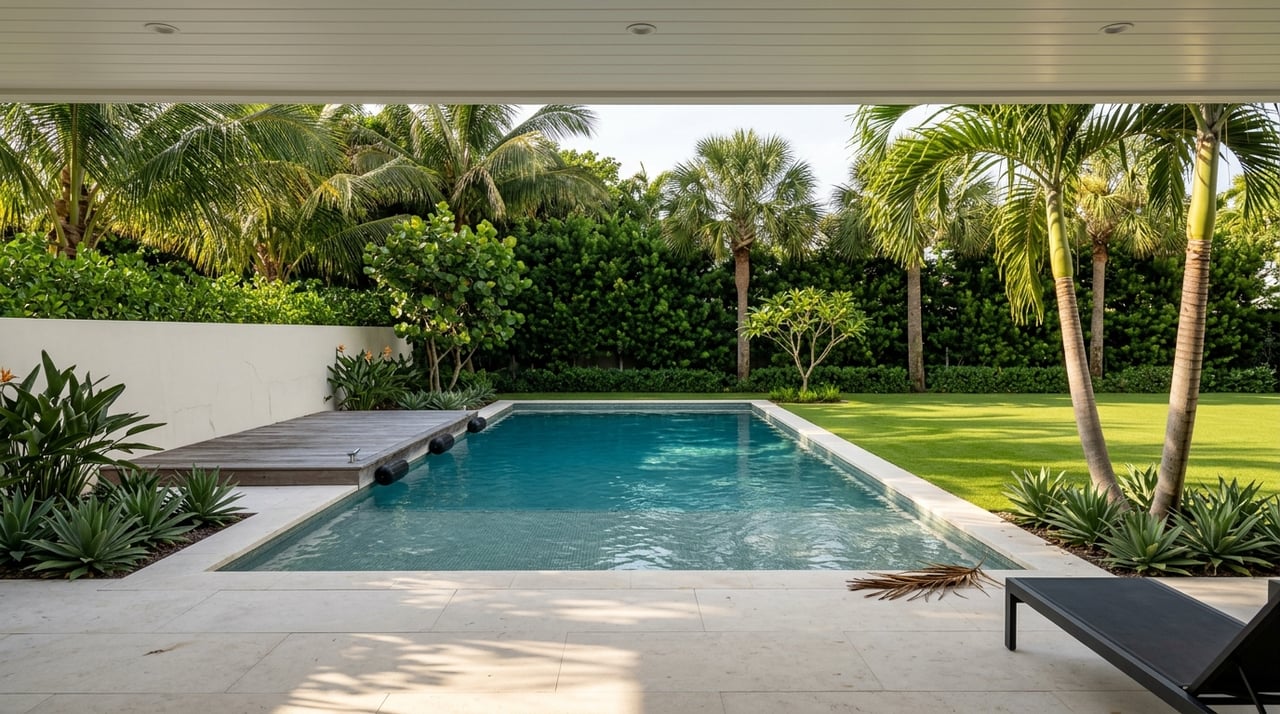
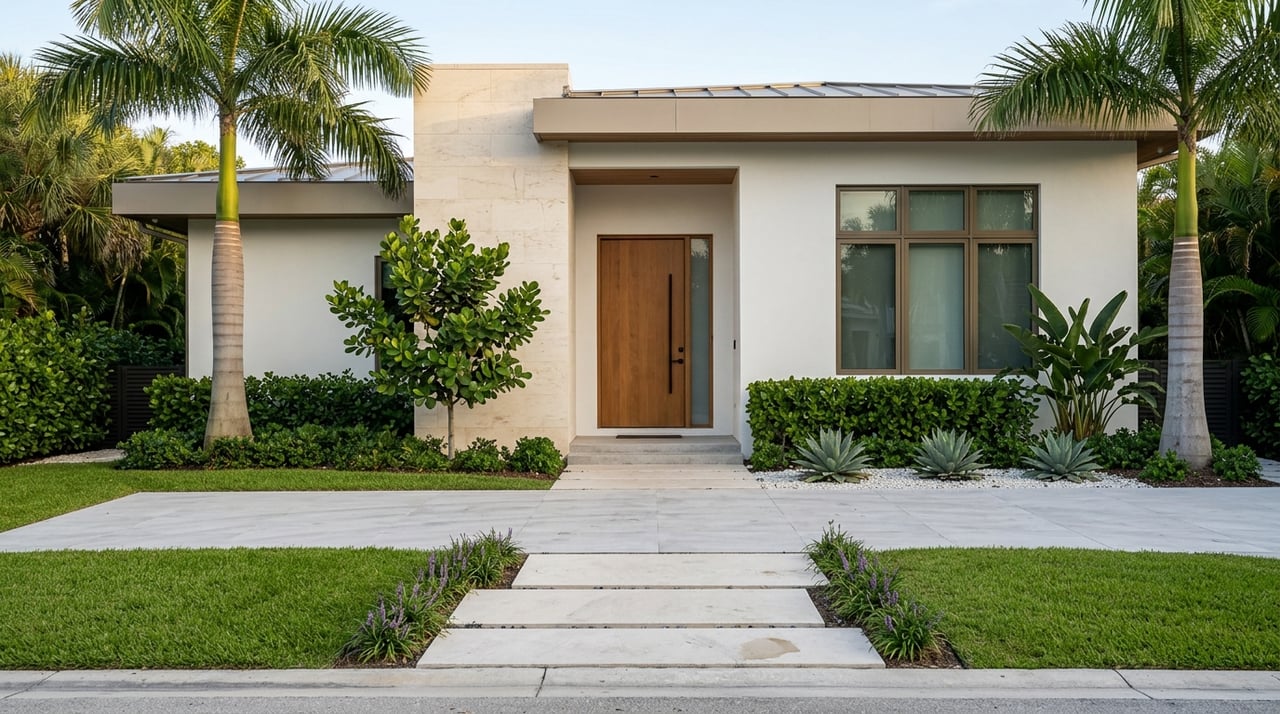
A Palm Beach estate home usually gives you more privacy, more site control, and more freedom in how you use and improve the property. For buyers who value autonomy, that can be the biggest advantage.
At the same time, an estate shifts more responsibility directly to you. Without a condominium association handling common elements, you are generally the party coordinating maintenance, capital improvements, permits, and long-term property planning.
For some buyers, that control is exactly the point. For others, it can feel like a larger operational commitment than expected.
Estate ownership still comes with local oversight
Owning a fee-simple oceanfront home does not mean you can renovate on your own timeline without local review. Palm Beach has a detailed permitting framework, and that can affect project planning from the beginning.
The Town requires a notarized property-owner signature on permit applications. It also states that properties in AE or VE flood zones must submit an elevation certificate or survey with elevations during initial plan review. Depending on the scope of work, projects may also need ARCOM or Landmarks review.
Construction timing matters too. The Town says construction hours were updated in late 2025, and construction is paused from December 24 through January 1. If you are considering a remodel, teardown, or major upgrade, these local rules should be part of your purchase analysis, not an afterthought.
Flood risk matters for both choices
Flood exposure is one of the most important ownership issues in Palm Beach. The Town’s flood-hazard notice says Palm Beach is a Class 6 National Flood Insurance Program Community Rating System community, which gives NFIP flood policies a 20% discount. The same notice also reminds owners that standard homeowners insurance does not cover flooding.
Palm Beach County says updated FEMA flood maps became effective on December 20, 2024, and some eastern-area parcels were added to high-risk flood zones. The County also states that all residents are in a flood zone and should obtain flood insurance.
That means flood planning is relevant whether you buy a condo or an estate. The question is not whether to pay attention to flood exposure. The question is how that exposure affects your specific building, parcel, insurance structure, and future renovation plans.
Why flood-zone details matter more for estate homes
For estate buyers, flood-zone and elevation details can have an even bigger impact. Palm Beach County’s 2024 flood-zone update says more than 16,000 parcels experienced a base flood elevation increase of one foot or more.
That can affect major renovation planning and substantial-improvement calculations. If you are buying with the intent to expand, rebuild, or substantially remodel, survey work, flood-zone verification, and permit planning become essential parts of due diligence.
Insurance costs work differently
Insurance is often where the condo-versus-estate decision becomes more concrete. In a condominium, building insurance and reserve funding are concentrated at the association level. Florida statute says the association must maintain adequate property insurance, but deductibles, excess damages, and certain repair costs can still become common expenses.
So while the building may be insured at the association level, you still need a clear understanding of what your own unit policy must cover. Interior items, finishes, and personal property may remain your responsibility.
With an estate home, the structure is more direct. You may avoid association dues, but you do not avoid flood, wind, or site-specific insurance exposure. Palm Beach County warns that windstorm insurance does not cover flood damage, and the Town also notes that homeowners insurance does not cover flooding.
For an oceanfront estate, that distinction is critical. You may need separate flood coverage even if you are already carrying substantial wind coverage.
Taxes and residency planning
Property taxes are another area where your ownership goals matter. Palm Beach County’s Property Appraiser says exemptions reduce assessed value, and permanent residents may qualify for homestead exemption.
If the home will be your primary residence, timing is important. The homestead application is due by March 1.
The Palm Beach County Tax Collector says property tax bills are based on taxable value, local millage, and non-ad valorem assessments. Bills are mailed in November and payable through March 31. Whether you are buying a seasonal residence or planning to establish permanent residency, it helps to understand how the property will be classified and billed.
How to decide which fit is better
If you want a more centralized ownership structure, a Palm Beach oceanfront condo may be the better fit. You may appreciate having the association handle common elements, exterior maintenance, and building-level insurance obligations, even though that comes with deeper document review and less individual control.
If you want more privacy, site control, and direct decision-making, an estate home may suit you better. You gain flexibility and autonomy, but you also take on more responsibility for permits, maintenance, flood planning, and project coordination.
In many cases, the decision comes down to how you define convenience. For one buyer, convenience means fewer exterior responsibilities. For another, it means not needing association approval or waiting on building-wide decisions.
Smart due diligence before you buy
Whether you lean toward a condo or an estate, these are some of the most valuable questions to ask in Palm Beach:
- Has the condo completed its milestone inspection and Structural Integrity Reserve Study?
- Are reserve studies current, and how is reserve funding positioned?
- What does the association’s insurance cover, and what remains the unit owner’s responsibility?
- Is the estate or home in an AE or VE flood zone?
- Is an elevation certificate required for future permitting or renovation?
- What municipal review, permit steps, or construction-hour limits could affect a planned project?
- If the property will be your primary residence, does it qualify for homestead exemption?
- How could hurricane evacuation and post-storm re-entry affect your use of the property?
The right answers can quickly clarify not just affordability, but also lifestyle fit.
In Palm Beach, the smartest purchase is rarely the one with the most dramatic view alone. It is the one that matches how you want to live, how much oversight you want, and how prepared you are for the realities of coastal ownership. If you want tailored guidance as you compare luxury condos and estate homes in this market, Donald W. Lilly, P.A. offers a polished, high-touch approach grounded in local insight and thoughtful strategy.
FAQs
What is the main difference between a Palm Beach oceanfront condo and an estate home?
- A condo typically shifts more exterior maintenance and building-level obligations to the association, while an estate home gives you more direct control and more direct responsibility.
What should you review before buying a Palm Beach condo?
- You should review milestone inspection reports, Structural Integrity Reserve Study documents, reserve funding status, association insurance details, and any pending or recent assessment history.
Why is flood insurance important for Palm Beach properties?
- The Town of Palm Beach states that standard homeowners insurance does not cover flooding, and Palm Beach County says all residents are in a flood zone and should obtain flood insurance.
What flood-zone issue matters most for a Palm Beach estate buyer?
- If you may renovate, rebuild, or significantly improve the property, flood-zone verification, elevation details, and permit planning are especially important because updated flood maps and elevation changes can affect future project requirements.
What permit rules should you know before renovating a Palm Beach home?
- The Town requires a notarized property-owner signature on permit applications, and some properties or projects may also require elevation documents, ARCOM review, Landmarks review, or adherence to construction-hour limits.
How do property taxes work for a Palm Beach primary residence?
- Palm Beach County says exemptions can reduce assessed value, permanent residents may qualify for homestead exemption, and the homestead application is due by March 1.