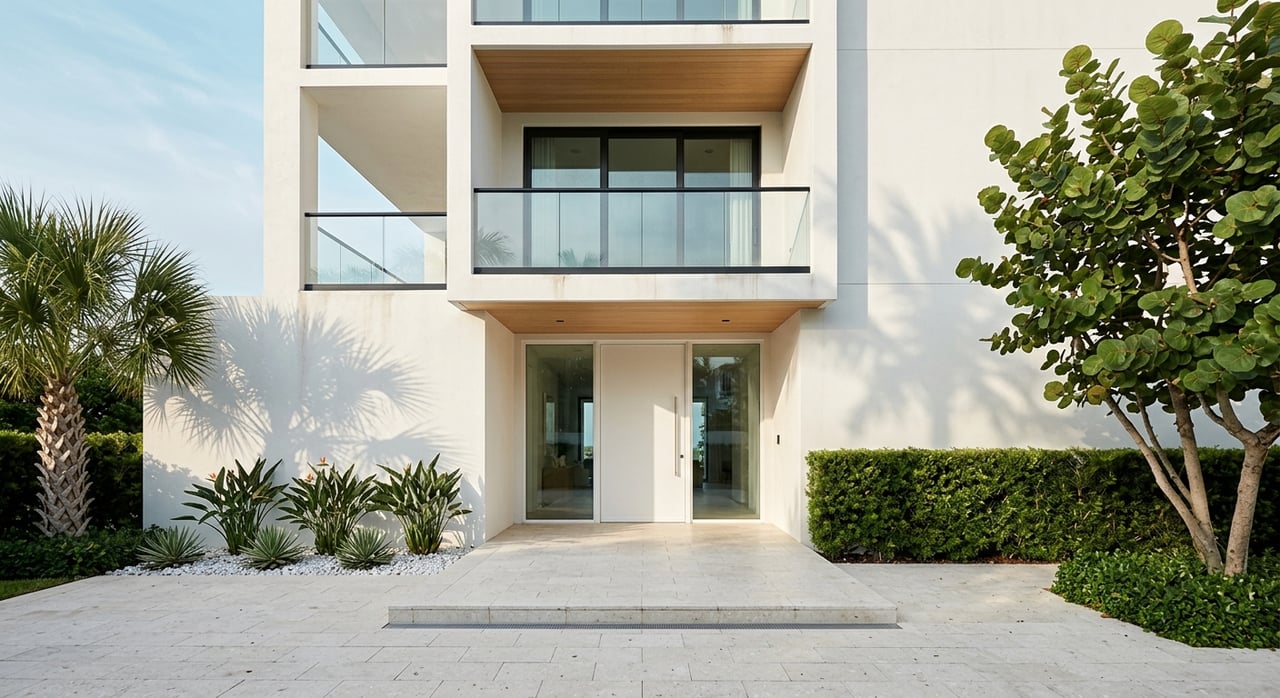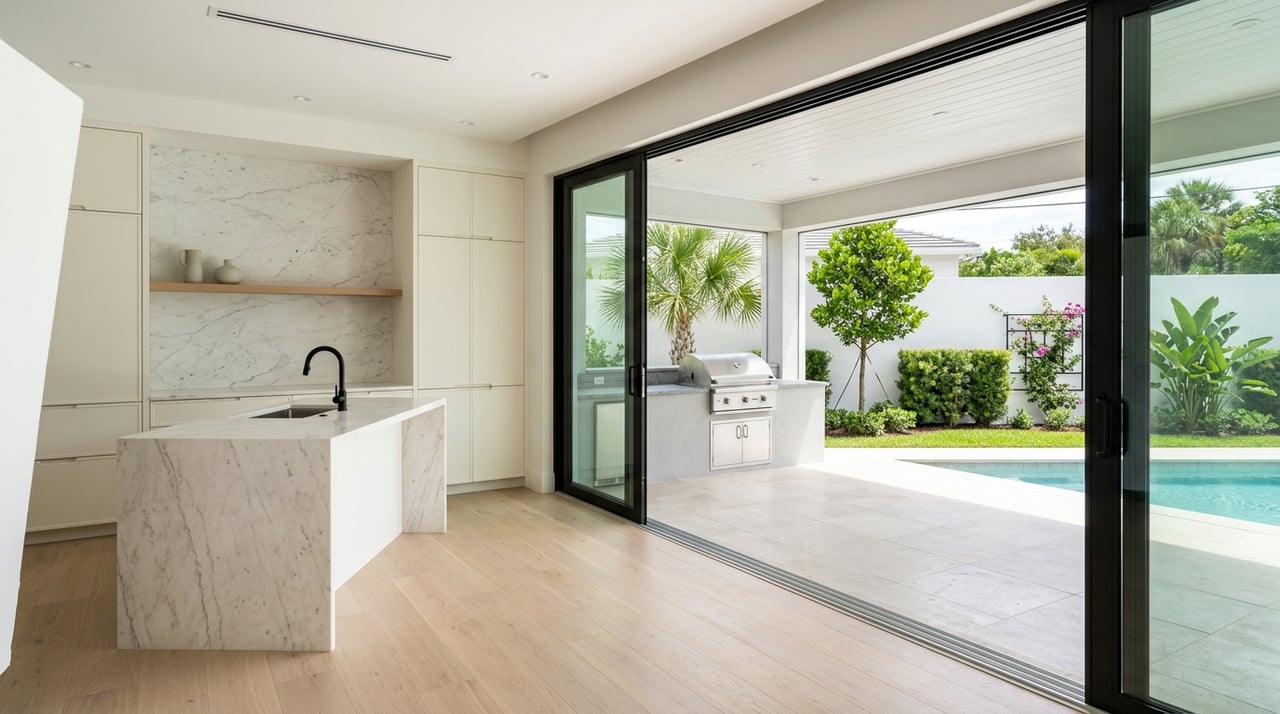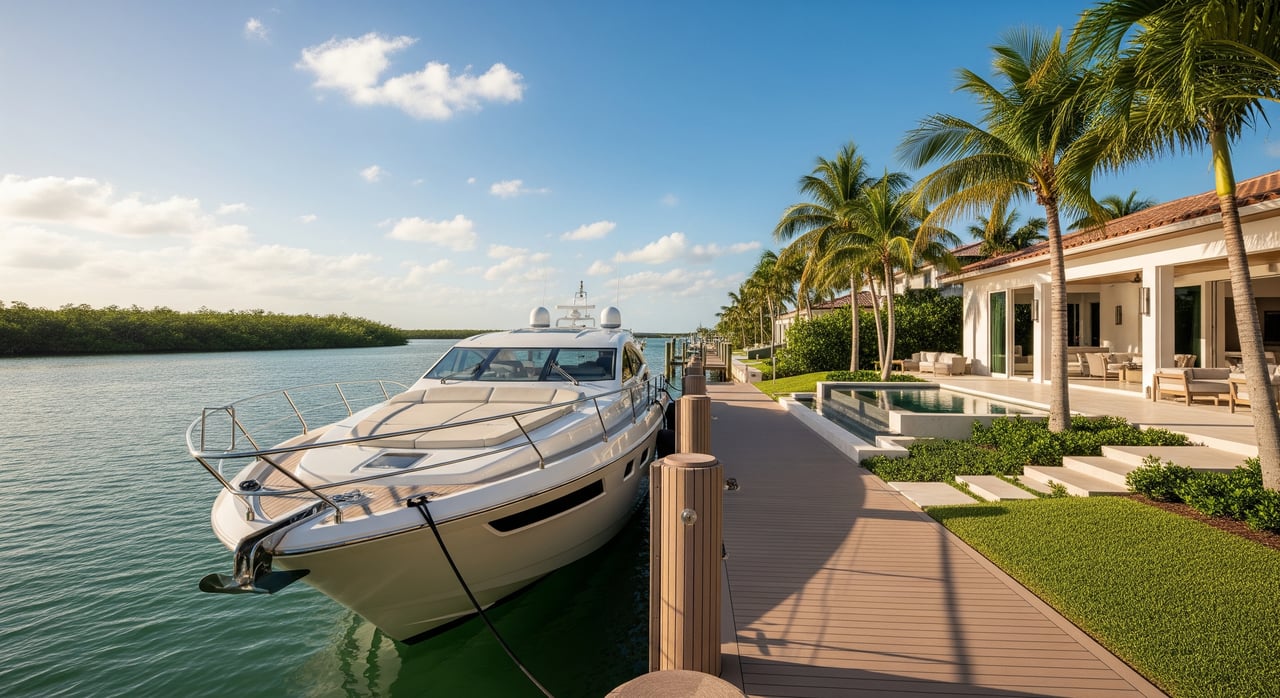
Imagine walking from your breakfast table to your dock and being in the Atlantic within minutes. If you love boating, that kind of daily freedom is probably at the top of your wish list. Jupiter Inlet Colony offers a rare blend of privacy, ocean access, and a community designed around the water. In this guide, you’ll learn how the boating lifestyle works here, what to look for in a waterfront property, and how to evaluate docks, permits, and services with confidence. Let’s dive in.
Why Jupiter Inlet Colony suits boaters
Jupiter Inlet Colony sits at the mouth of the Jupiter Inlet in Palm Beach County. It fronts both the Atlantic Ocean and the Intracoastal Waterway, which means quick access to offshore waters and protected ICW cruising. The town is almost entirely residential, with single-family waterfront homes and very limited commercial activity.
That low-key scale is a draw if you want privacy without sacrificing convenience. You can live on a quiet barrier island and still be minutes from marinas, services, and dining in Jupiter and Tequesta.
Ocean access and navigation essentials
From Jupiter Inlet Colony, you reach the Atlantic through the Jupiter Inlet. This inlet is a living system. Shoaling, shifting sandbars, and strong tidal currents are common. You should plan passages with tides in mind and consult current NOAA nautical charts and notices to mariners.
The U.S. Coast Guard maintains aids to navigation in and around the inlet. Channel conditions can change, and maintenance dredging is periodically undertaken by the U.S. Army Corps of Engineers or local inlet management groups. If you run a deeper draft vessel, verify current channel depth and recent dredging activity before you rely on a specific route or private channel.
Southeast Florida’s offshore opportunities are a major perk. The Gulf Stream and nearshore reefs are relatively close, which makes day runs to deep water and sportfishing very accessible. Fishing seasons vary by species and are regulated by the Florida Fish and Wildlife Conservation Commission.
Docks and waterfront infrastructure
Most high-end properties in Jupiter Inlet Colony were designed for boating. You will see a range of private docks, lifts, pilings, and seawalls. Utility setups often include shore power, freshwater, and lighting. Some properties feature fixed docks, while others offer floating elements or T-head configurations.
Dock suitability is property specific. Length, beam clearance, depth at the dock face, and lift capacity vary widely. Ask for depth at mean low water, not just at high tide. If your boat has unique needs, confirm the electrical service at the pedestal, plus water, lighting, and security provisions.
Shoaling can affect private channels over time. Before you buy, determine who is responsible for any maintenance dredging near the property. Dredging can be complex and costly, and responsibilities may fall to the owner, municipality, or federal partners depending on location and permits.
Permits and insurance you should expect
Coastal work in Florida is multi-jurisdictional. Building, modifying, or replacing marine structures typically involves:
- Town approvals for structures and floodplain compliance
- County-level building or coastal permits
- Florida Department of Environmental Protection permits for work seaward of the mean high water line or on sovereign submerged lands
- U.S. Army Corps of Engineers permits for structures in navigable waters and any dredging activity
During due diligence, obtain copies of all current dock and shoreline permits, plus any variance conditions or time-limited obligations. For certain sites, sovereign submerged land leases can apply. Your goal is to confirm what exists today and what you can legally maintain, modify, or expand in the future.
Flood and wind considerations are part of coastal life. Many lots fall within FEMA flood hazard zones, and lenders commonly require flood insurance through the NFIP or private carriers. Windstorm exposure is elevated along the coast, so a hurricane preparation plan for your home, dock, lift, and vessel is essential. Marine insurance for docks, lifts, and hulls often includes specific storm requirements, such as hauling or secure mooring procedures.
Services, marinas, and support nearby
While many JIC homes have private docks, you may still need transient slips for guests or larger vessels. Nearby marinas in Jupiter and across Palm Beach County offer transient berthing. Availability tightens in winter, so reservations and flexible timing help.
You will find fuel, basic parts, and light repair locally. For larger lifts, haul-outs, and major refits, owners often use regional service hubs in Palm Beach, West Palm Beach, or Riviera Beach. Specialty provisioning and custom systems are more readily sourced in those larger marina districts.
Safety resources are strong for a community this size. The area is served by U.S. Coast Guard units and county or municipal marine rescue. Major medical and marine repair resources are within short drives in the Jupiter and West Palm Beach corridor.
Lifestyle: fishing, cruising, and community
If your ideal weekend is sunrise lines in the water, you will fit right in. Local anglers target snapper, grouper, mahi, tuna, and sailfish in season, within the rules set by FWC and federal agencies. Nearshore reefs also make for easy snorkeling and family days on the water.
You can day-cruise south on the ICW or enjoy a beach afternoon near the iconic Jupiter Inlet Lighthouse. The broader Jupiter area supports an active boating community, including yacht clubs, marina associations, and charter operators. Winter brings peak activity, with more transient traffic, tournaments, and social boating.
The tone inside JIC remains quiet and private. You get a true home base with immediate ocean and beach proximity, yet full access to the region’s boating network whenever you want it.
Buyer’s boating checklist for JIC
Use this checklist to evaluate a property’s fit for your vessel and lifestyle:
- Dock capacity and geometry: Confirm length, beam, face depth at mean low water, and configuration versus your vessel’s LOA, beam, draft, and air draft.
- Lift and utilities: Verify lift capacity and condition. Check shore power pedestals for 30, 50, or 100 amp service, along with freshwater, lighting, and security.
- Permits and approvals: Obtain copies of all existing dock, seawall, and shoreline permits. Note expiration dates and any conditions or mitigation requirements.
- As-built drawings and surveys: Request dock drawings, site surveys, and any recent bathymetric or coastal engineering reports.
- Seawall and bulkhead condition: Review inspection history, maintenance records, and any pending stabilization needs.
- Easements and riparian rights: Confirm legal rights to maintain or modify dock structures and to access the channel.
- Dredging history and responsibility: Identify past dredging events, current shoaling patterns, and who bears cost and permitting duties for future work.
- Flood zone and insurance: Check FEMA flood zone designation and insurance requirements. Review any prior flood-related claims.
- Proximity to services: Map the distance and transit time to the nearest fuel dock, full-service marina, and haul-out facility that fits your vessel.
- Transient slip planning: Ask nearby marinas about guest slip availability and any seasonal waitlists.
- Hurricane preparation plan: Identify your haul-out option or secure mooring strategy and confirm insurance requirements.
- Routine maintenance budgeting: Plan for periodic dock, lift, and seawall maintenance.
A sample day on the water
Morning coffee on the patio, a quick walk to your dock, and you are off the lift just after dawn. You time your run through the inlet around a favorable tide and head for nearshore reefs. By midday, you cruise the ICW for a calm ride home and rinse down at your private dock. Guests arrive for sunset, and you have a plan ready if they need a transient slip nearby during the busy winter season.
This is the rhythm JIC enables. When your home is designed for seamless access, your boating days feel effortless.
Work with a local specialist
Choosing the right Jupiter Inlet Colony property means aligning the home, the dock, and your boating goals. You deserve guidance that understands both the neighborhood and the details that matter to yacht owners.
With design-led marketing expertise and deep micro-market knowledge in Jupiter’s top waterfront enclaves, Donald W. Lilly, P.A. helps you evaluate the full picture, from dock infrastructure to everyday logistics. If you are ready to explore the boating lifestyle in Jupiter Inlet Colony, connect for a thoughtful, private conversation. Contact Donald W. Lilly, P.A. to Schedule a Free Consultation.
FAQs
Is the Jupiter Inlet suitable for larger yachts?
- The inlet is dynamic with shoaling, shifting sandbars, and strong tidal currents. Suitability depends on your draft and current conditions. Plan around tides and verify depths using current nautical charts and official notices.
What permits are required to build or modify a dock in JIC?
- Coastal projects often need approvals from the Town, Palm Beach County, the Florida Department of Environmental Protection, and the U.S. Army Corps of Engineers. Obtain and review all existing permits before you buy.
Do many homes in Jupiter Inlet Colony have private docks?
- Many high-end single-family properties include private docks, lifts, and seawalls, but specifications vary by address. Always verify dock dimensions, utilities, and face depth at mean low water.
How does insurance work for waterfront homes and boats?
- Expect flood insurance requirements based on FEMA mapping, plus windstorm coverage for coastal exposure. Docks, lifts, and boats may require separate marine policies with hurricane preparation conditions.
Where can guests find transient slips near JIC?
- Nearby marinas in Jupiter and across Palm Beach County offer transient berths. Availability is seasonal, so contact marinas early during winter and peak events.
When is peak boating season in the Jupiter area?
- Late fall through spring is the most active period. You will see more transient traffic, higher marina occupancy, and robust fishing activity during winter months.