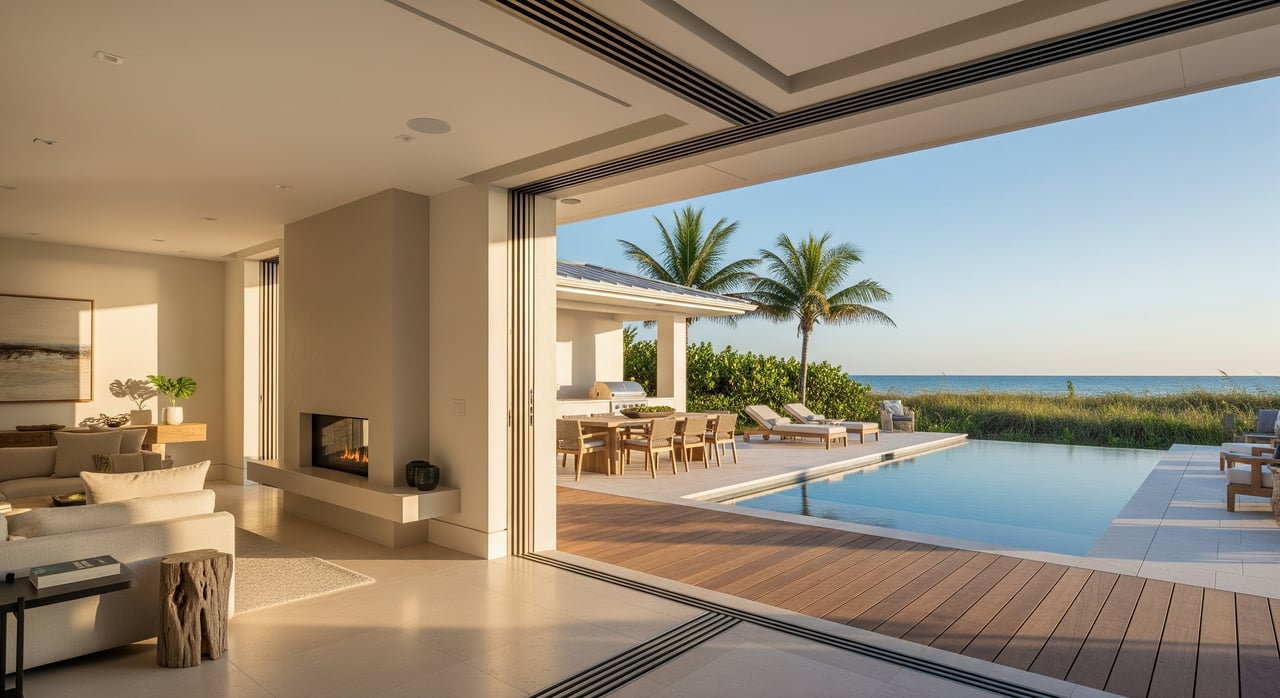
Imagine opening a wall of glass and stepping into a breezy loggia where the ocean air feels like part of your living room. In Hobe Sound, you can enjoy that experience most of the year, but coastal weather, salt, and code requirements mean the details matter. This guide shows you how to create seamless indoor‑outdoor living that looks luxurious, performs in Florida’s climate, and adds value. You’ll learn the right materials, permitting steps, and design moves that make the transition effortless and resilient. Let’s dive in.
Hobe Sound climate and site realities
Hobe Sound’s climate brings hot, humid summers, a pronounced wet season from May through October, and a hurricane window that peaks June through November. Regional data show average summer highs in the upper 80s to low 90s and annual rainfall around 60 to 65 inches, so drainage and shade are non‑negotiable for outdoor rooms. You also live near beaches, dunes, and low‑lying areas, which brings coastal flooding and storm‑surge considerations into every design decision. Review seasonal patterns using regional climate references like West Palm Beach normals to align materials and layouts with real conditions (regional climate overview).
Hobe Sound’s coastal context includes nearby preserves and barrier‑island features that highlight local vulnerabilities and protected habitats. Learn the area’s geography and shoreline sensitivities to guide siting choices and lighting near shorelines (Hobe Sound National Wildlife Refuge context).
Permits and codes to plan around
Florida’s Building Code requires wind‑load compliance and protection from wind‑borne debris. If you install large sliders, bi‑folds, or stacking doors, select impact‑rated assemblies tested to the current code or plan approved shutters as a compliant alternative (2023 Florida Building Code update). Martin County is not in the state’s HVHZ core, yet impact and anchoring standards still apply where mapped.
If your property is beachfront or near dunes, Florida’s Coastal Construction Control Line (CCCL) and local coastal setbacks may affect any shoreline‑facing hardscape, decks, or lighting. Expect extra review to protect dunes and marine resources (coastal construction control background).
Check FEMA flood zones early to confirm any elevation requirements, flood vents, or foundation limitations if your parcel sits in a Special Flood Hazard Area. Use the FEMA Map Service Center or state guidance to understand base flood elevations before you sketch a plan (flood map guidance).
Martin County processes permits online and enforces state code and local flood and coastal policies. Screen enclosures, lanais, pergolas, decks, and any change to structural openings usually require permits. Start with a pre‑application conversation to streamline review (Martin County permit portal).
Design strategies for seamless flow
Thresholds and covered transitions
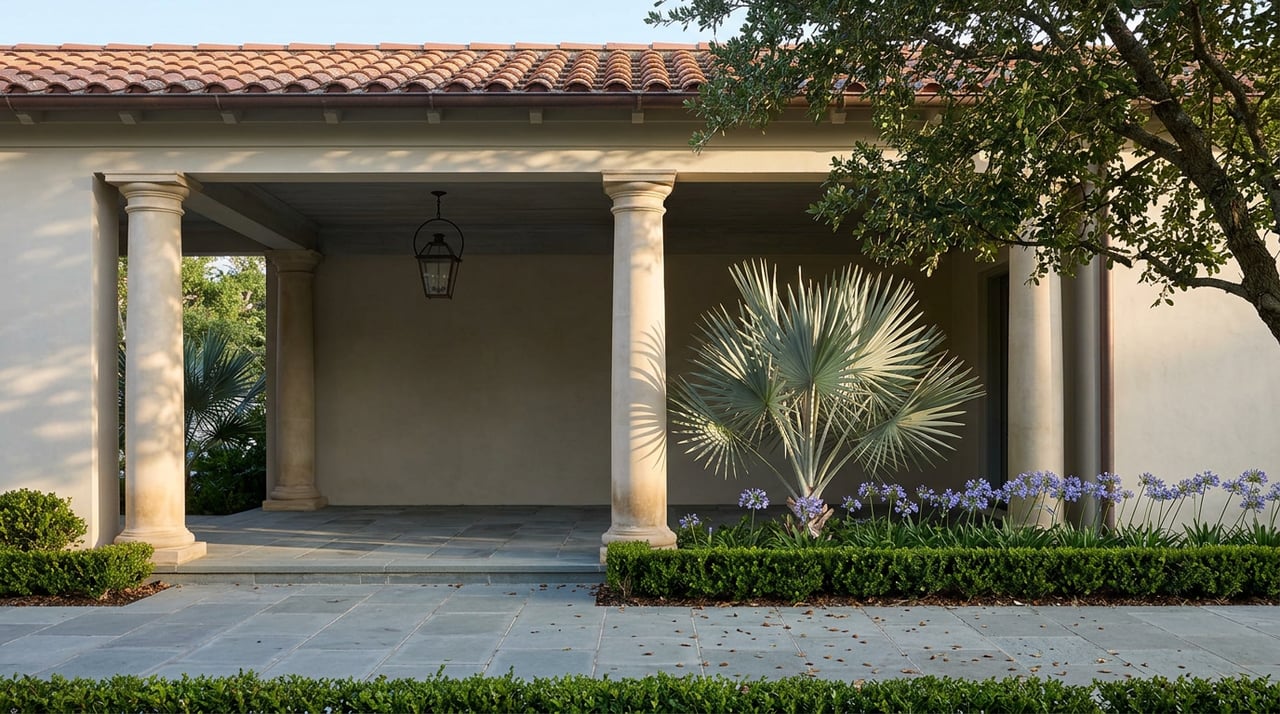
Design a protected stage between inside and out. Deep overhangs, loggias, and covered porches keep rainfall and salt spray off thresholds while extending your sightlines. Motorized or retractable screens give you airflow and insect control without sacrificing openness.
Large openings that meet code
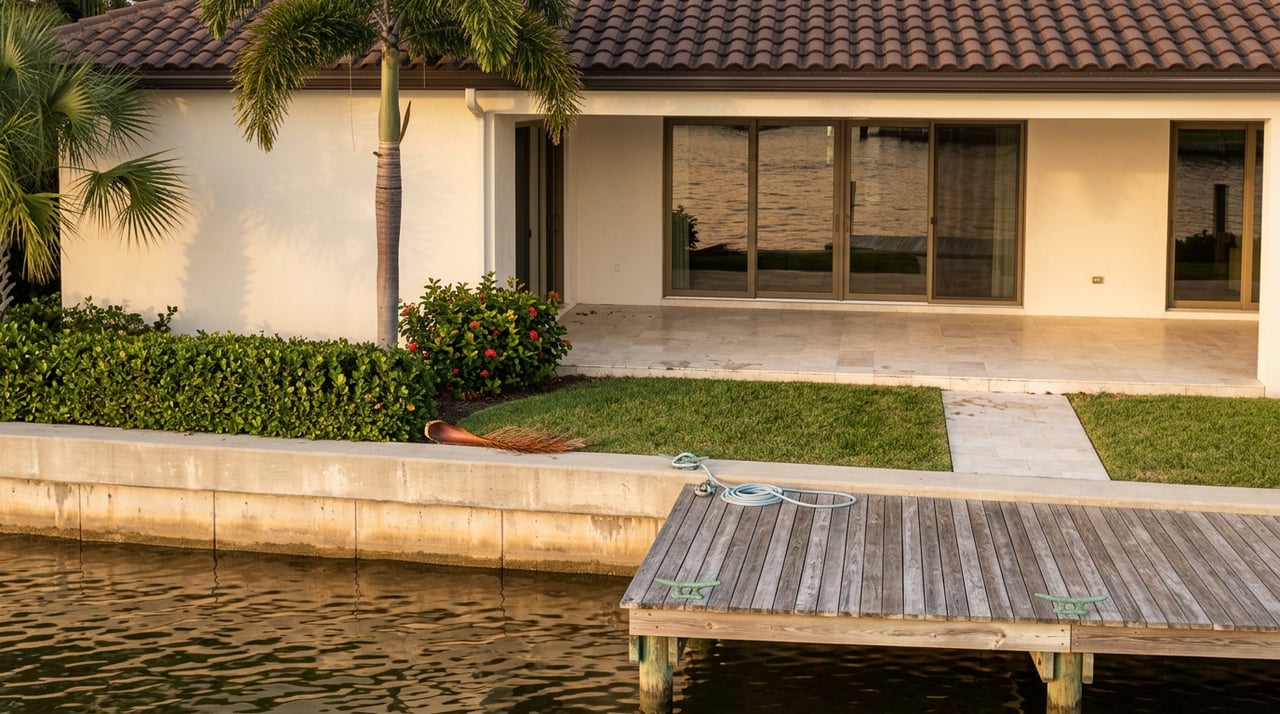
Create a wide, uninterrupted opening with multi‑panel sliders, stacking doors, or bi‑folds. In Hobe Sound, these should be impact‑rated, anchored per the Florida Building Code, and paired with an easy‑to‑deploy storm plan. If not using impact glass everywhere, design for approved, quickly attached shutters and dedicated storage.
Flooring continuity and drainage
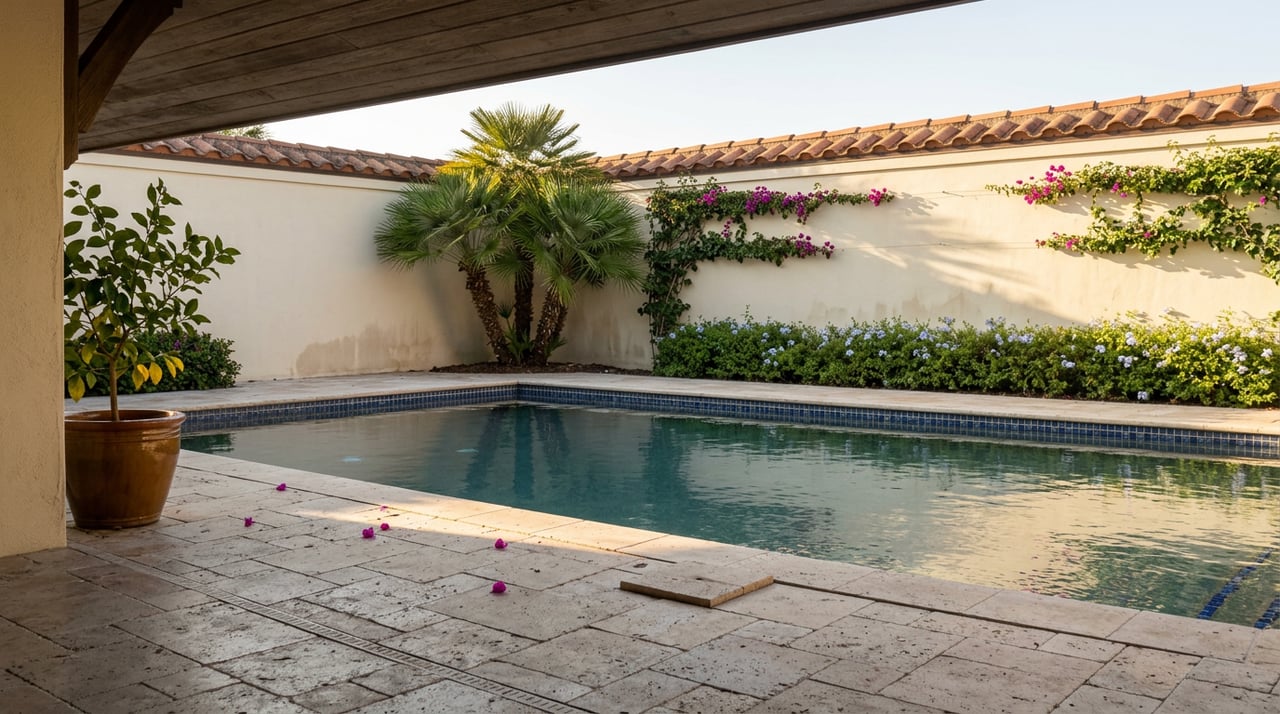
For a continuous look, use interior‑rated porcelain or engineered surfaces indoors and coordinate tones with exterior porcelain pavers or sealed concrete outside. Keep outdoor surfaces slip‑resistant and UV‑stable. Slope exterior slabs 1/8 to 1/4 inch per foot away from the house, use pan or trench drains at door tracks, and recess thresholds with robust flashing to prevent water intrusion.
Materials that resist salt and sun
Select corrosion‑resistant hardware and fasteners, especially near spray zones. Marine‑grade stainless, such as 316, resists pitting and staining in coastal exposure (marine‑grade stainless overview). For exterior cladding and trim, fiber‑cement siding, PVC trim, and high‑performance stucco reduce maintenance. In outdoor kitchens, specify coastal‑rated stainless appliances and weather‑resistant cabinetry under cover.
Comfort, humidity, and insect control
Open‑door living adds moisture to interiors. Choose HVAC sized for dehumidification, and consider a dedicated dehumidifier or smart ventilation for spaces that open frequently. Use screened lanais, retractable screens, and careful drainage to reduce standing water. For plantings and landscape design that limit mosquito habitat and support native ecology, tap county extension resources (UF/IFAS Martin resources).
Storm‑ready details
Design redundancy into drainage with gutters and site grading that moves water to safe discharge points. If flood rules require elevation, locate primary living and outdoor rooms above the base flood elevation and treat lower levels as storage or easy‑to‑clean casual zones. Create a clear plan for securing openings and outdoor furnishings before a storm.
Landscape design that loves the coast
Choose native, salt‑tolerant plants that thrive in coastal wind and sun. Sea oats, sea grape, and sabal palm are resilient anchors for dunes and privacy. Avoid invasive species and lean into Florida‑Friendly Landscaping principles to reduce maintenance and protect local habitats (coastal dune plant ideas).
Manage stormwater on site
Permeable pavers, rain gardens, and bioswales slow runoff, reduce ponding, and help keep mosquitos at bay. Native buffer plantings along edges capture nutrients before water reaches sensitive estuaries. For practices tailored to Martin County, review Florida‑Friendly BMP guidance (stormwater‑smart landscaping).
Budget, insurance, and value
Expect higher initial costs for impact‑rated glazing, marine‑grade materials, and specialized drainage or elevation. Insurance in coastal zones can be sensitive to wind and flood risk, so resilient design choices may support better insurability over time. National Cost vs. Value data show outdoor living improvements such as decks and screened porches often recoup a significant share of cost at resale, which aligns with buyer demand for year‑round outdoor spaces in Hobe Sound’s climate (ROI trends overview). Always pair national data with local comps.
Your project roadmap
- Define goals and exposure: Map sun, wind, and views, and confirm flood zone and base flood elevation. Note any CCCL constraints if you are near dunes or beachfront.
- Align the concept with code: Size openings based on impact‑rated options and design covered thresholds with drainage. Decide on shutters or backup protections.
- Select resilient finishes: Coordinate indoor and outdoor flooring, specify marine‑grade fasteners, and plan shaded, screened areas for summer comfort.
- Plan landscape and water: Choose native, salt‑tolerant plants, use permeable hardscape, and integrate rain gardens or bioswales.
- Engage the county early: Use Martin County’s portal for permit triggers and pre‑application questions.
- Vet your team: Verify state licensing and insurance, request local references, and get everything in writing before deposits (contractor verification guidance).
Ready to create indoor‑outdoor living that feels effortless and performs in every season? Let’s design it right the first time. For a tailored plan to elevate your Hobe Sound property and position it for top‑tier resale, reach out to Donald W. Lilly, P.A..
FAQs
Do Hobe Sound homes need impact glass for big sliders?
- If your site falls within a wind‑borne debris region or local code requires it, you will need impact‑rated glazing or approved shutters. Verify your property’s requirements during early planning.
What flooring works across inside and outside?
- Porcelain pavers and sealed concrete are popular for covered patios, paired with coordinated interior finishes. Focus on non‑slip textures, UV stability, and proper slope and drainage at thresholds.
How do coastal rules affect ocean‑adjacent projects?
- Properties near dunes or beaches may be subject to CCCL and local coastal setbacks, which restrict construction and lighting to protect sensitive habitats. Check these limits before designing decks, pools, or hardscape.
Will an outdoor room change my insurance?
- It depends on scope and location. Well‑permitted, code‑compliant outdoor living spaces typically integrate smoothly, but outdoor kitchens, gas lines, or enclosure changes can affect coverage. Confirm details with your insurer.
How do I find a qualified contractor for impact doors?
- Verify the contractor’s state license and insurance, require a detailed written contract, and ask for coastal project references. Choose teams experienced with impact‑rated glazing and county permitting.