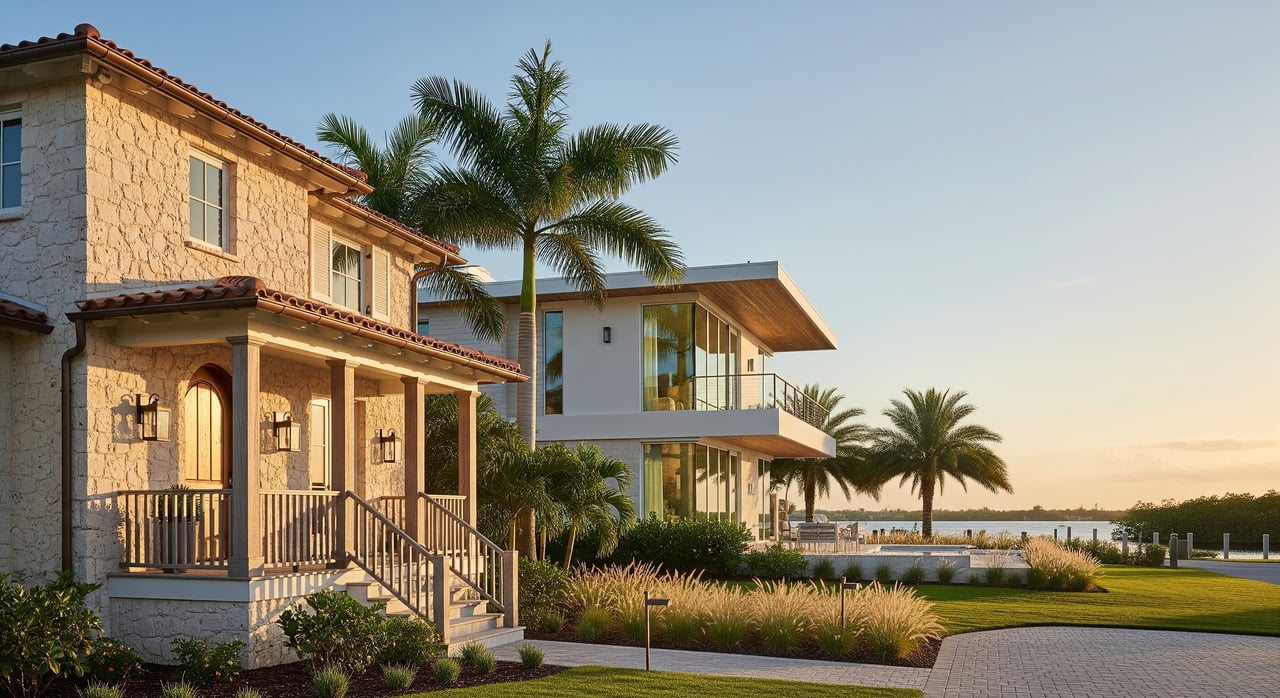
Trying to decide between a brand‑new build and a beautifully renovated home in Hobe Sound? You are not alone. With coastal insurance, flood rules, builder incentives, and design quality all in the mix, the real question is which option gives you better value for your lifestyle and budget. In this guide, you will learn how the local “value spread” works, what drives it, where to look by neighborhood, and a simple way to measure it for your search or sale. Let’s dive in.
What “value spread” means in Hobe Sound
The value spread is the typical price difference between new construction and recently renovated resale homes of similar type and location. In Hobe Sound, this can shift by neighborhood, lot type, and finish level. Because our market ranges from inland golf communities to Jupiter Island‑adjacent waterfront, you want apples‑to‑apples comparisons within the same area and lot category.
Where prices sit right now
Medians vary by source and timeframe, which is common in a small, diverse market. Recent snapshots show Hobe Sound’s median sale price near the high $600Ks to low $700Ks, with around $323 per square foot in late summer 2025, according to Redfin’s Hobe Sound market page. A broader 12‑month view showed a median sold price near $550,000 and roughly $308 per square foot in a Rocket report for mid‑2025 (Rocket Homes Hobe Sound report). The takeaway is simple. Segment by neighborhood and home type before judging any spread.
What drives the gap
Buyer preferences and “move‑in ready” signals
Listings described as remodeled have drawn stronger buyer interest and sold for a modest premium in national studies. Zillow’s 2024 analysis found a roughly 3.7 percent premium for “remodeled” keywords across markets, a sign that documented, quality upgrades matter when buyers compare options (Zillow listing‑keyword analysis summary).
Builder supply and incentives
In today’s cycle, some builders have reduced home sizes, simplified finishes, or offered incentives, which has compressed the traditional new‑home premium in several metros. Your local spread depends on how active builders are and what they include or discount (Axios summary of new vs existing trends).
Renovation costs and ROI in coastal Florida
Labor, impact‑rated windows, wind and flood‑resilient materials, and permitting can push costs higher here than in many inland markets. Regional Cost vs Value data shows recoupment varies by project, with modest cosmetic refreshes often paying back better than full gut renovations. Check the South Atlantic findings for project‑level trends (2025 Cost vs Value, South Atlantic).
Insurance and risk
Florida’s coastal insurance market remains costly and top of mind for buyers. Features like impact glass and improved roof connections can help, but location and risk profile still drive premiums. Recent reporting shows premiums have continued to shift in 2025, so plan for insurance in your valuation model (Florida home insurance trends).
Floodplain rules and the 50 percent threshold
In Special Flood Hazard Areas, Martin County follows NFIP standards for elevation and compliance. If a renovation equals or exceeds 50 percent of the structure’s pre‑project market value, the “substantial improvement” rule can trigger elevation and other code upgrades. This can change the math on large renovations (Martin County flood protection overview; FEMA substantial improvement guidance).
Neighborhood signals to watch
- The Retreat at Seabranch, Heritage Ridge, and Lost Lake offer more standardized product, which makes new‑versus‑renovated comparisons easier inside each community. Explore local community context for The Retreat here (The Retreat at Seabranch).
- Along the coast and near Jupiter Island, lot value and waterfront functionality can dominate price. In these areas, finishes and features matter, but lot type and water access often set the floor.
- Infill new builds may be limited in some pockets, which can support a premium. Where builder inventory is active, incentives can narrow the spread.
How to measure your local value spread
Use this quick workflow to get clarity in any Hobe Sound submarket.
- Define your cohorts
- New build: certificate of occupancy in the last 3 years, or year built 2022–2025.
- Renovated: homes older than 15 years with documented, permitted updates in the last 3 years.
- Tighten the geography
- Compare inside a single neighborhood or micro‑area. Separate waterfront from inland to avoid lot‑driven noise.
- Pull recent sales
- Use the last 6–12 months so interest rates, insurance, and incentives reflect current conditions. Capture price, price per square foot, beds/baths, lot type, days on market, and sale‑to‑list ratio.
- Stratify and compare
- Within each stratum, compare median price per square foot first, then median price and days on market. Note any warranties, HOA amenities, or builder credits.
- Add the regulatory lens
- Check flood zone status and consider whether a renovation might have triggered the 50 percent substantial improvement threshold. Start with the county flood page and consult FEMA’s guidance.
- Confirm permits
- Validate major updates through county records. Martin County’s portal is a good place to start for permit research and process details (Martin County permits and applications).
- Report clearly
- Share results as a percentage and dollar difference, with sample size and dates. If the sample is small, flag that so expectations stay realistic.
When new construction makes sense
- You want a builder warranty, modern systems, and lower short‑term maintenance risk.
- Insurance modeling shows benefits from current codes and mitigation features.
- Local builder incentives or rate buydowns reduce the net premium.
- The specific lot or view is rare and difficult to replicate with a renovation.
When a renovated home wins
- The home has a high‑quality, permitted upgrade package that matches today’s tastes.
- Cosmetic improvements deliver strong visual impact without triggering substantial improvement rules.
- The neighborhood’s resale data shows remodeled listings trading at a healthy premium.
- You value established landscaping, mature streetscapes, and a move‑in ready timeline.
Buyer checklist
- Define your must‑have features and risk tolerance.
- Compare insurance quotes and coverage for each short list property.
- Review permits, renovation scope, and warranties.
- Use price per square foot inside the same micro‑area and lot type.
Seller strategy
- Start with a neighborhood‑level comp set to see how renovated resales are trading versus new.
- Prioritize high‑ROI updates and thoughtful presentation. A light kitchen refresh, flooring, paint, and design‑led staging often punch above their cost.
- Document permits, materials, and vendor warranties so buyers feel confident.
- If a large project nears the 50 percent threshold in a flood zone, model the cost of full compliance before you commit.
The bottom line
There is no one‑size‑fits‑all spread in Hobe Sound. Your best move is to compare like‑for‑like inside the neighborhood, incorporate insurance and floodplain considerations, and weigh design quality, warranties, and incentives. If you want a curated, data‑driven read on your specific home or search area, connect with Donald W. Lilly, P.A. for a private consultation.
FAQs
Do new builds usually sell for more than renovated homes in Hobe Sound?
- It depends on the neighborhood, lot type, finish level, and incentives. Nationally, “remodeled” listings have earned a modest premium, while new‑home premiums have compressed in some areas due to builder pricing and incentives (Zillow keyword analysis summary; Axios new vs existing trend).
How do insurance costs affect the value spread in Martin County?
- Insurance is a real line item. Newer code compliance and mitigation features can help, but location and risk still drive premiums, which buyers factor into what they will pay (Florida insurance trends).
What is the 50 percent rule for flood zones in Hobe Sound?
- If a renovation equals or exceeds 50 percent of the structure’s pre‑project value in a Special Flood Hazard Area, substantial improvement rules apply. That can require elevation and other upgrades (Martin County flood page; FEMA guidance).
Which renovations typically deliver better ROI in coastal Florida?
- Regional Cost vs Value findings show modest, high‑impact projects often recoup more than full gut renovations, especially when coastal hardening and permitting raise costs (South Atlantic Cost vs Value).
How should I compare prices per square foot across Hobe Sound neighborhoods?
- Keep comparisons inside the same micro‑area and lot type. Recent snapshots show different medians by source and timeframe, so segment carefully and use current, local sales as your benchmark (Redfin Hobe Sound market; Rocket Homes overview).