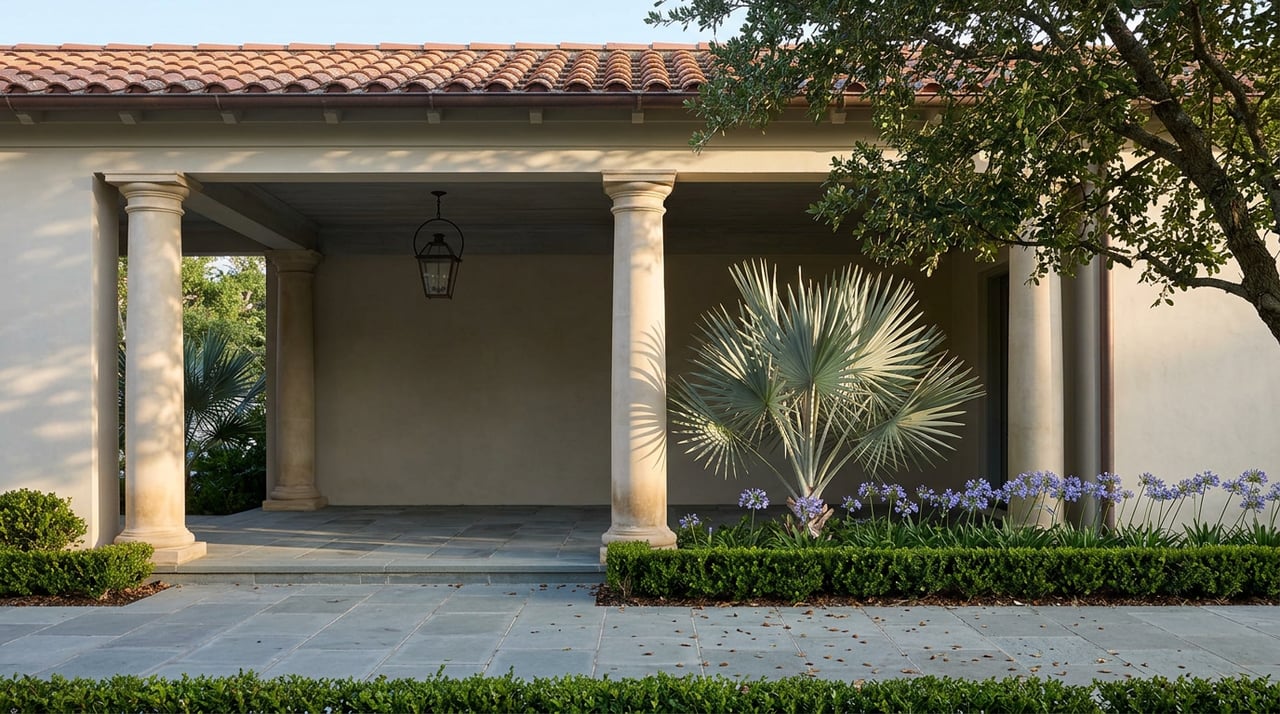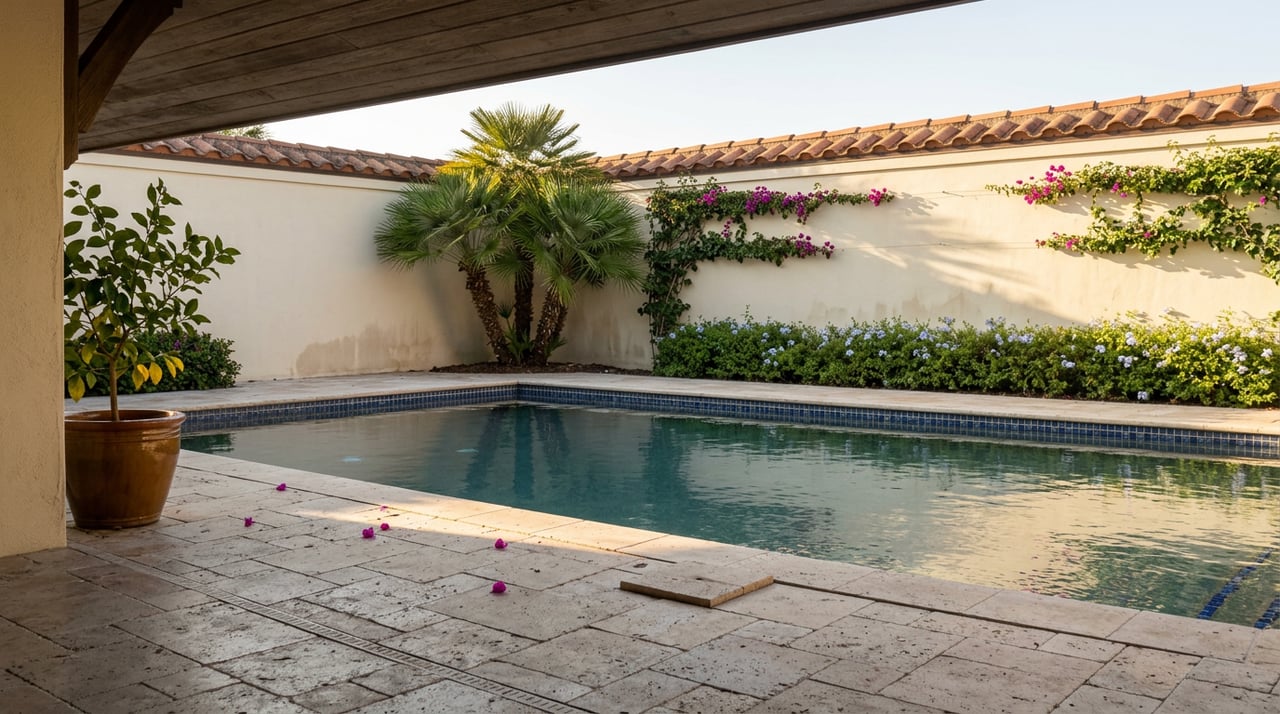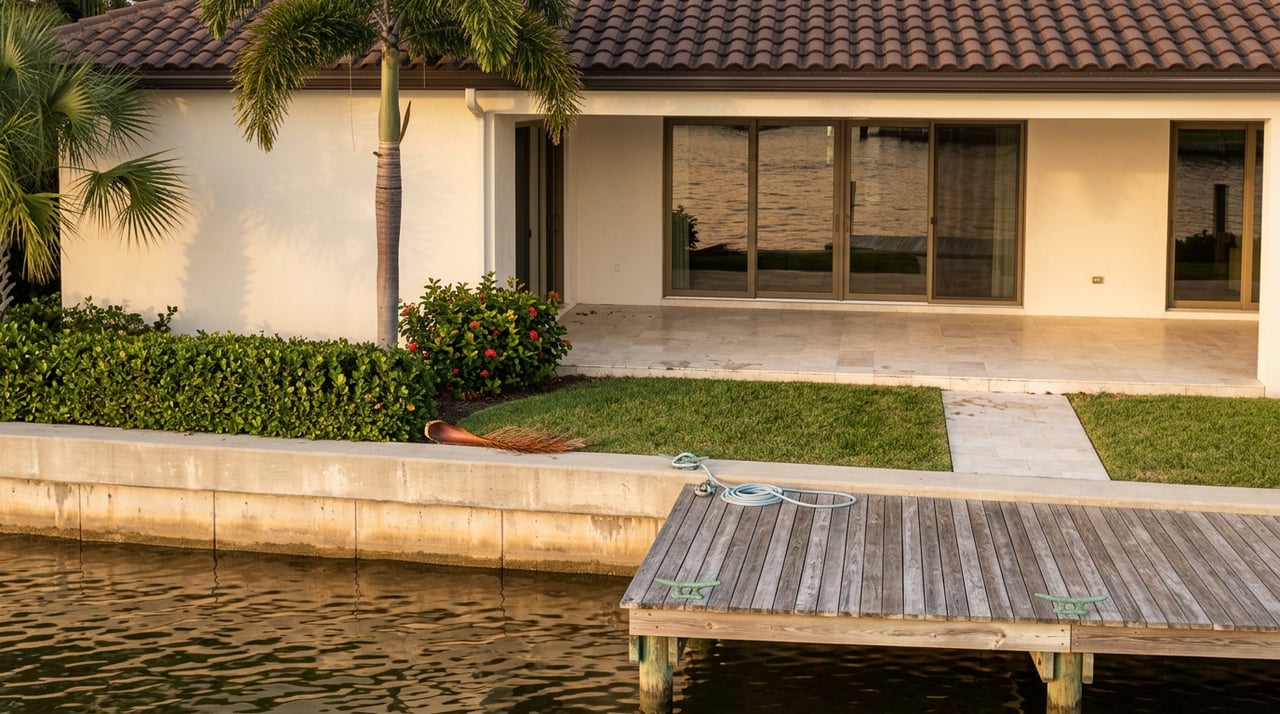
A two-bedroom condo is listed at $2,350,000 in Admirals Cove right now, reduced from its original ask. On a portal search, that number reads like the floor of the market, the way in for a buyer who wants the address without the estate-sized commitment. It isn't. Before that condo closes, the buyer will also write a check to the club itself, somewhere between $285,000 and $475,000 depending on membership tier, and then keep writing checks every year after that, up to roughly $48,837 annually for full golf privileges.
That second number never shows up in the listing photos. It doesn't appear in the price-per-square-foot calculation either. But it is the real reason Admirals Cove behaves differently from other Jupiter luxury addresses, and it explains a market pattern that the median sale price alone can't account for.
The number that isn't on the listing
Membership at The Club at Admirals Cove is mandatory with home ownership. There's no opt-out, no way to buy the house and skip the club. The fee structure runs in four tiers: Full Golf carries a $475,000 initiation fee and roughly $48,837 in annual dues, Sports membership runs $360,000 with about $41,766 a year, Tennis sits at $335,000 with roughly $32,648 annually, and Social membership, the lightest tier, still requires $285,000 up front and about $31,134 a year.
Run that against the condo. A $2,350,000 purchase paired with even the lowest membership tier turns into a $2,635,000 day-one commitment, before closing costs, before furnishing, before the first monthly dues statement arrives. That's not a rounding error. It's a 12 percent premium that exists nowhere in the property's public listing data, and it applies whether the buyer is closing on a $2.35 million condo or a $30 million waterfront estate. The initiation fee doesn't scale with the size of the house. It scales with the tier of membership the buyer chooses, which means the tax, in relative terms, hits the smallest purchases hardest.
Seventeen cottages, one price of admission
Nowhere is that math more visible than in the Club Cottages, a cluster of just seventeen units on Captains Way, most of them attached, a handful detached and rarer still. These are modest by Admirals Cove standards, two bedrooms, two baths, under 1,700 square feet under air. A buyer here is choosing the smallest footprint in the entire community.
What that buyer is not choosing is a smaller club. Cottage owners can carry full golf membership and receive the identical playing privileges, dining access, and marina rights as the owner of a ten-million-dollar estate on Eagle Drive. The house is different. The membership contract is not. That's an unusual structure for a real estate market, where price typically buys proportionally more of everything, including status inside a community. At Admirals Cove, the club fee is a flat toll, and the smaller the house, the larger that toll looms against the purchase price.
Why the fairway side costs less than the water side
Admirals Cove splits into two physical sections separated by Alternate A1A. The eastern side sits along the marina and Intracoastal, where homes carry direct water access and, in many cases, private docks. The western side, known as Golf Village, has its own guard gate and clubhouse circle but no navigable water frontage.
Both sides carry identical club membership rights. A Golf Village buyer pays the same initiation fee and dues as an East Side buyer with a dock in the backyard. What differs is the home price itself, since Golf Village listings run consistently lower without the waterfront premium. For a boater, that gap matters little, since dock space is available at the marina regardless of which side of A1A someone lives on. For a buyer who has no interest in boats, Golf Village becomes the more economical way to hold the same membership card, and the price difference between the two sides is really a price on water access alone, not on club access.
The 101-day pause
Across the last twelve months tracked through August 2026, Admirals Cove homes took an average of 101 days to sell, against a list-to-sell price ratio of 91 percent. A separate portal tracking activity through May 2026 put the average closer to 86 days, still well above the 58-day national average cited in that same report.
Slower absorption in a market this expensive isn't unusual on its own. Luxury inventory everywhere moves slower than the broader market. But the gap here is wide enough, and consistent enough across two separate measurement periods, to suggest something specific to Admirals Cove rather than luxury real estate in general. A buyer serious enough to want this address also has to clear a membership underwriting step, decide which tier fits their lifestyle, and commit to a recurring cost that has nothing to do with the mortgage. That's an extra decision point that doesn't exist in a non-club community, and extra decision points add days to a closing timeline. The membership requirement functions as a second filter on the buyer pool, on top of the price filter the home itself already applies.
What the record sales prove
The top of the market tells a different story than the middle, which is part of what makes a single median number misleading here. In April 2026, MLB pitcher Max Scherzer and his wife Erica sold their unfinished estate at 217 Commodore Drive for $23 million, a property they had purchased in 2023 for $14.9 million. The sale was reported by The Real Deal, which noted the 0.7-acre lot carries 300 feet of waterfront and the home will span nearly 10,000 square feet on completion. Two years earlier, seed magnate Ronald Holden and his wife Arlene sold their own 1.1-acre waterfront estate for $34 million to hedge funder David Goel, a record at the time.
Those are cash-rich buyers for whom a $475,000 initiation fee is a rounding error against an eight-figure purchase. The membership tax barely registers at that end of the market, which is exactly why those trophy properties transact with relative speed and headline visibility. The friction shows up further down the price ladder, where a $475,000 buy-in is a meaningful fraction of the purchase itself, and where the extra qualifying step slows the pace measurably. The median sale price over the past twelve months landed at $4,925,000 as of May 2026, up 19 percent year over year, a number that sits closer to the cottages and patio homes than the Commodore Drive estates, and it's that middle tier where the membership math does its real work on time-to-close.
A few questions worth asking before you tour
Is club membership really required, or can a buyer opt out and just own the house? No. Membership is mandatory with property ownership at Admirals Cove, regardless of which membership tier a buyer selects.
Does the initiation fee change based on the size or price of the home? No. The fee is set by membership tier, not by the purchase price of the property, which means it represents a larger percentage of the total cost on smaller homes.
Are Golf Village homes a way to hold membership at a lower total cost? Golf Village homes carry the same club rights as East Side properties but without waterfront frontage, so the home price is typically lower while the membership cost stays identical.
Does a lower-tier membership, like Social, still allow a buyer to live in Admirals Cove? Yes. Social membership is the least expensive tier and still satisfies the ownership requirement, though it carries more limited access to golf and tennis than the Sports or Full Golf tiers.
Bring the full math to the table
Understanding what a listing price actually includes, and what it doesn't, is the difference between an informed offer and a surprise at closing. If you're weighing a purchase in Admirals Cove or comparing it against Jupiter's other private club communities, Donald Lilly can walk through the complete cost picture, membership tier by membership tier, before you write an offer. Schedule a free consultation to start with the real numbers.