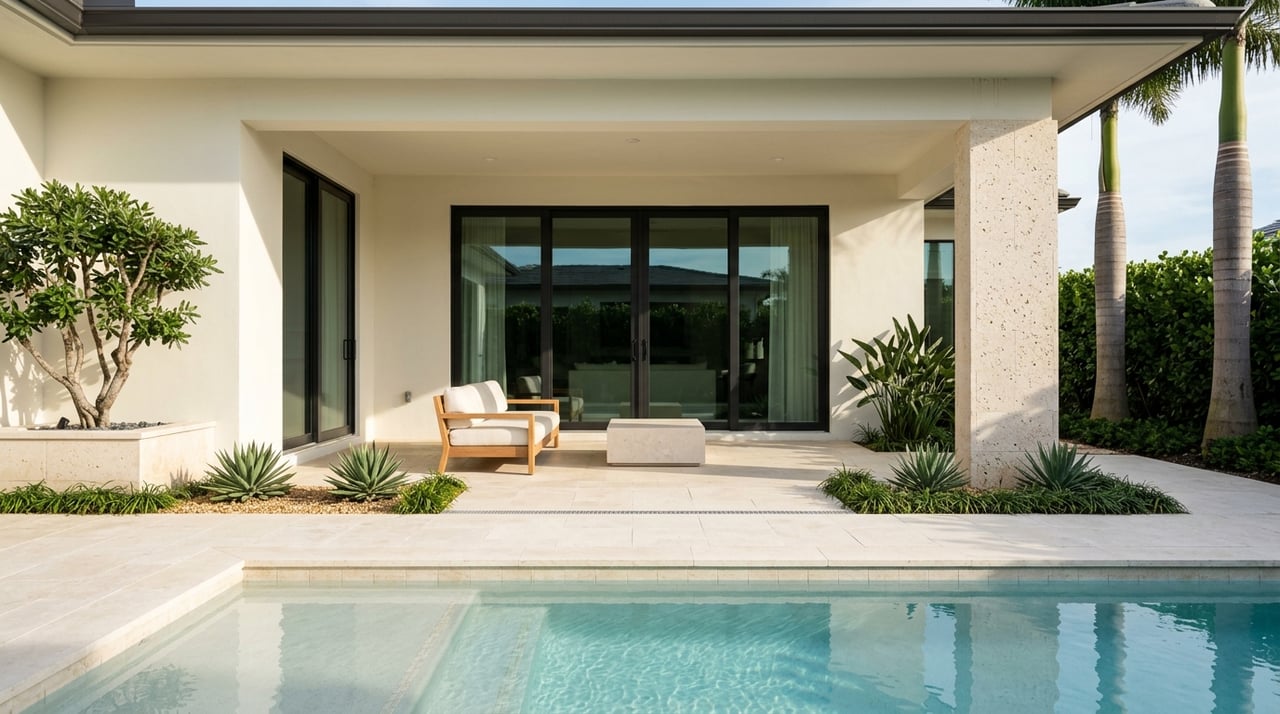
If you are buying property from abroad, Palm Beach County can feel exciting and complex at the same time. You may be balancing travel plans, legal documents, tax questions, and a fast-moving luxury market while trying to make a confident decision from a distance. The good news is that the process is familiar once you understand the local steps, timing, and expectations. This guide will help you navigate what international buyers should know before purchasing in Palm Beach County. Let’s dive in.
Why Palm Beach County Draws International Buyers
Palm Beach County sits within one of Florida’s most active international buyer corridors. According to the Florida Realtors international buyer report, the Miami-Fort Lauderdale-West Palm Beach region accounted for 45% of Florida’s international-buyer activity.
That wider regional activity matters if you are looking in areas such as Jupiter, West Palm Beach, Boca Raton, or Delray Beach. It shows that international demand is already well established here, which can make the market feel more familiar to global buyers who want a second home, a seasonal residence, or an investment property.
Florida Realtors also reports that 60% of international buyers paid all cash, 68% planned to use the home as a vacation property, rental property, or both, and 90% visited Florida at least once before buying. In Palm Beach County, that often translates into a market where preparation, speed, and local guidance matter.
What Kind of Market You Should Expect
Palm Beach County is not just active. It is also a major luxury market. In the 2024 Southeast Florida Luxury Market Report, Palm Beach County recorded 3,316 million-dollar sales in 2024.
The same report identified Boca Raton as the county’s largest million-dollar market, followed by Delray Beach, Palm Beach Gardens, Jupiter, West Palm Beach, Palm Beach, Riviera Beach, and North Palm Beach. If you are entering this market, you should expect many properties to be positioned for affluent second-home and investment buyers rather than entry-level purchasers.
This matters because pricing, negotiations, and presentation often reflect a high-end environment. Sellers may be experienced, listings may be highly polished, and desirable homes may attract strong attention from both domestic and international buyers.
Plan for More Than Just the Purchase Price
Many international buyers focus first on the property itself, but the timeline is just as important. Because cross-border transactions often involve travel, document coordination, and professional consultations, it is smart to give yourself more runway than a local cash buyer might need.
Florida Realtors found that 90% of international buyers visited Florida before purchasing. That suggests a practical approach: view the market in person, narrow your target areas, and build your local team early so you are not making key decisions under pressure.
Build the Right Local Team
A Palm Beach County purchase usually follows the same broad structure as any U.S. real estate transaction, but your team helps keep each step organized. According to Fannie Mae’s homebuying guidance, buyers commonly work with a real estate agent, mortgage lender, home inspector, title insurance agent, and homeowners insurance provider.
For international buyers, this team becomes even more important. Each professional handles a different part of the process, and early coordination can reduce delays tied to financing, inspections, title work, or insurance.
Here is what each party generally helps with:
- Real estate agent: property search, offer strategy, negotiations, and local market guidance
- Mortgage lender: financing review if you are not paying cash
- Home inspector: identifies safety, structural, and maintenance issues before closing
- Title professional: reviews ownership history and public-record issues
- Insurance provider: helps arrange homeowners coverage before closing
For a luxury purchase, you may also want an advisor who understands privacy, presentation, and neighborhood-level nuances across Palm Beach County’s waterfront and gated markets.
Understand the Typical Buying Steps
The transaction itself should feel recognizable, even if you are buying from overseas. Fannie Mae explains that the typical process includes property search, offer, inspection, title search, closing, and recording.
Search and offer
Your first step is narrowing the areas and property types that fit your goals. In Palm Beach County, that may mean comparing waterfront homes, gated properties, luxury condominiums, or seasonal residences in places like Jupiter, West Palm Beach, Delray Beach, or Boca Raton.
Once you find the right property, your offer sets the framework for price, timing, contingencies, and deposit terms. In a cash-heavy market, clean terms and organized documentation can strengthen your position.
Inspection and due diligence
A home inspection is one of the most important parts of your due diligence. According to Fannie Mae’s inspection overview, an independent inspection can reveal safety, structural, and maintenance issues before closing.
This is especially valuable if you are buying a second home or investment property and need clarity on condition before you take ownership. Inspection findings can also influence negotiations, repair requests, or your final decision to proceed.
Title search and closing
The title search checks public records for unpaid property taxes, liens, judgment liens, and recording errors. Title-related services are part of closing costs, and Fannie Mae notes that title services are shoppable.
At closing, the deed is signed and then recorded with the county. In Palm Beach County, the Clerk of the Circuit Court & Comptroller manages official records and offers secure eRecording services.
If You Are Financing the Purchase
Not every international buyer pays cash, even in a market where cash is common. If you are financing, expect your lender to review income and credit documentation as part of the approval process.
Fannie Mae also notes that buyers receive a Closing Disclosure that summarizes loan costs, including taxes and other government fees. This is one reason it helps to review your budget early and keep your documentation organized well before closing.
Know the Property Tax and Mailing Basics
After closing, one practical detail can easily be missed: where your tax bill is sent. The Palm Beach County Tax Collector says annual property tax bills are mailed to the address on file with the Property Appraiser.
If you live abroad or use a seasonal mailing address, make sure your ownership records reflect the correct mailing information. A simple administrative step like this can help you avoid missed notices later.
Homestead Rules Matter if You Will Live Here Full Time
Some international buyers plan to use the property as a vacation home or rental. Others may later decide to make Florida their primary residence. If that is your plan, Palm Beach County’s homestead rules are important.
According to the Palm Beach County Property Appraiser, homestead exemption is only available for permanent Florida residents. Ownership and occupancy as a permanent residence must exist as of January 1, and the application deadline is March 1.
The county also states that the property must be your primary residence, not a vacation home, second home, or investment property. If you are establishing Florida residency, the county references a Declaration of Domicile through the Clerk’s office as part of documenting that status.
Be Aware of FIRPTA in International Transactions
If the seller is a foreign person, FIRPTA may affect the transaction. According to IRS FIRPTA guidance, buyers or transferees generally must withhold and remit tax when acquiring U.S. real property interests from foreign persons, usually using Forms 8288 and 8288-A.
The IRS says this is generally due by the 20th day after the disposition, and a reduced withholding certificate can be requested on Form 8288-B. While this is mainly a seller-side tax issue, it can affect closing timing and escrow, so it is worth identifying early in the transaction.
How Luxury Homes Are Marketed and Shown
If you are shopping in Palm Beach County’s upper-tier market, you may notice that luxury listings are not always marketed the same way as more typical homes. According to the National Association of Realtors consumer guide on home marketing, marketing may include staging, professional photography, social media, signage, open houses, and competitive pricing, while MLS exposure usually offers the broadest reach.
The same guide explains that showings are usually appointment-based, while open houses allow multiple buyers to tour at once. In a luxury setting, polished visuals and more curated scheduling are common expectations.
There is also some flexibility in how a property is exposed to the market. NAR’s consumer guide to alternative listing options explains that sellers may choose office exclusive or delayed marketing exempt listings for privacy or other reasons, subject to MLS rules.
For you as a buyer, this means some desirable properties may have broad public exposure, while others may be marketed in a more limited or private way. In Palm Beach County’s luxury segment, that can make strong local representation especially valuable.
Smart Tips for International Buyers
Before you start touring homes, keep these points in mind:
- Visit the area first if possible, since most international buyers do
- Clarify your use case early, whether it is a vacation home, rental property, or future primary residence
- Ask about listing exposure so you understand whether the property is publicly marketed or more privately positioned
- Allow extra time for travel, document collection, and professional review
- Confirm tax and residency details if you may later claim Florida as your permanent home
- Stay organized with mailing addresses, title documents, insurance, and closing deadlines
Why Local Guidance Makes a Difference
Buying in Palm Beach County from abroad is very doable, but it works best when your process is structured from the start. You are not just choosing a home. You are navigating timing, local rules, property positioning, and a luxury market that often moves with discretion.
That is where experienced local guidance can bring real value. With a clear strategy, trusted professional partners, and neighborhood-level insight, you can move through the process with more confidence and fewer surprises.
If you are considering a home in Jupiter or anywhere across Palm Beach County, Donald W. Lilly, P.A. offers polished, concierge-level guidance tailored to luxury buyers who value discretion, clarity, and local expertise.
FAQs
What should international buyers expect in the Palm Beach County home buying process?
- You should expect a process similar to a domestic U.S. purchase, but with added planning for travel, document coordination, inspections, title work, and possible financing or tax questions.
Do most international buyers visit Palm Beach County before buying a home?
- Yes. Florida Realtors reports that 90% of international buyers visited Florida at least once before purchasing.
Is Palm Beach County a strong market for luxury international buyers?
- Yes. Palm Beach County had 3,316 million-dollar sales in 2024, and several local markets, including Boca Raton, Delray Beach, Jupiter, and West Palm Beach, recorded more than 100 million-dollar sales.
Can an international buyer claim homestead exemption in Palm Beach County?
- Only if the property becomes your permanent Florida residence and you meet the county’s ownership, occupancy, and filing requirements.
What is FIRPTA in a Palm Beach County real estate transaction?
- FIRPTA is a federal tax withholding rule that can apply when a buyer purchases U.S. real property from a foreign seller, and it can affect closing timing and escrow.
Are luxury homes in Palm Beach County always listed publicly?
- No. Some luxury properties are marketed through the MLS, while others may use delayed marketing or office-exclusive strategies depending on the seller’s privacy goals and MLS rules.