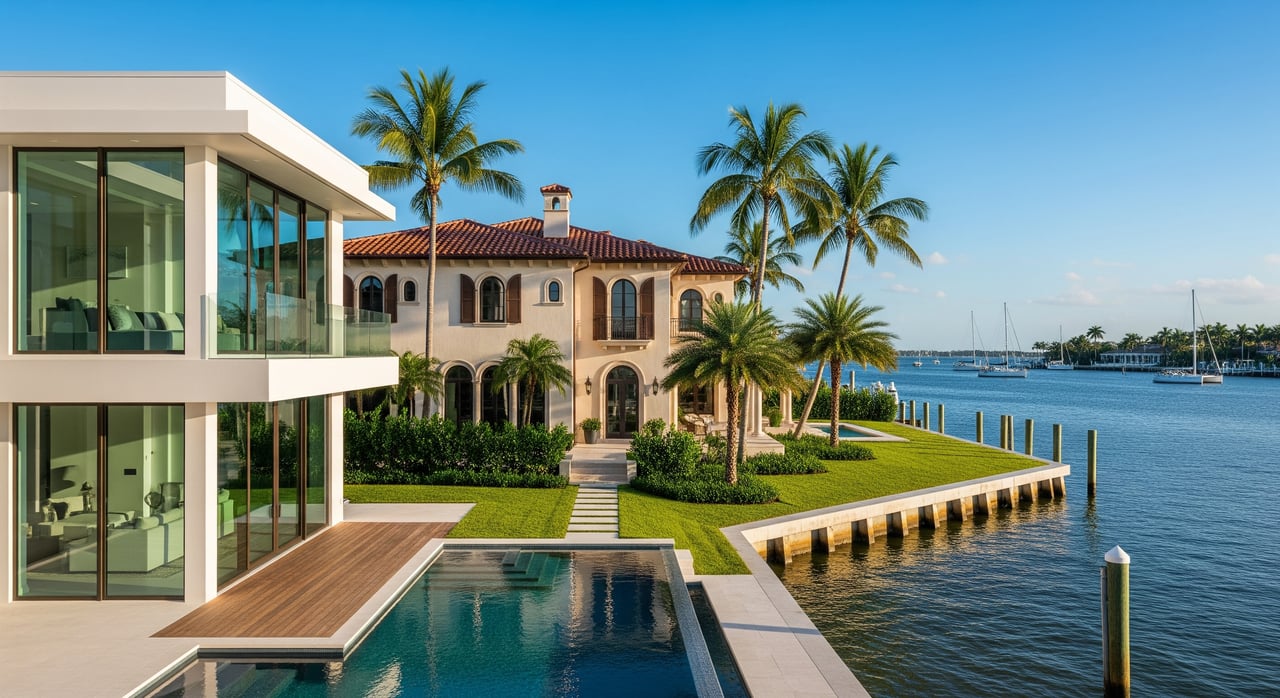
Should you build your dream home from the ground up or transform a property that already has great bones? In North Palm Beach and the greater West Palm Beach–Boca Raton–Delray Beach corridor, the answer is not one-size-fits-all. Your timeline, budget, lot, flood zone, and long-term goals all shape the right path. In this guide, you’ll learn the key trade-offs around costs, permits, timelines, coastal risk, financing, and resale value specific to Palm Beach County so you can move forward with confidence. Let’s dive in.
When new construction makes sense
If you want a modern coastal home tailored to your lifestyle, new construction offers flexibility and resilience. In North Palm Beach, many buyers prefer elevated homes with integrated hurricane features and indoor-outdoor living. Limited land and older housing stock make teardowns and lot redevelopment common where a modern layout or higher elevation is the goal.
New builds can be a smart fit if you:
- Need to meet current elevation or wind-resistance standards more easily than a retrofit.
- Want a fresh floor plan with larger kitchens, open living, and outdoor spaces.
- Prefer newer systems, energy efficiency, and builder warranties.
- Are comfortable with a longer timeline and higher upfront costs.
New construction also lets you specify coastal-appropriate materials, such as impact-rated glazing, roof tie-downs, and corrosion-resistant systems, which are easier to integrate at the design stage than to retrofit later.
When renovation is the better play
Renovation can be compelling in established North Palm Beach neighborhoods where character, location, and infrastructure already align with your lifestyle. If your target home has the right footprint and sits at a workable elevation, you can upgrade selectively for a strong return.
Renovation may be the better path if you:
- Plan cosmetic or targeted systems updates like kitchens, baths, HVAC, or electrical.
- Want a faster move-in compared to a full custom build.
- Need to stay within existing neighborhood setbacks, HOAs, or architectural guidelines.
- Aim to boost resale without overbuilding beyond nearby comparables.
Keep in mind that whole-house or structural renovations can approach new-build costs, especially if you need to raise floors, replace foundations, or comprehensively update mechanicals.
True costs in Palm Beach County
Cost is often the deciding factor, and the coastal setting adds complexity. Always get multiple local bids and detailed scopes before committing.
New construction cost factors
Custom coastal builds in Palm Beach County typically cost more than inland or non-coastal homes due to elevation requirements, specialized foundations, and hurricane-rated materials. Site work, such as fill or pile foundations, can add meaningful expense. Design fees, permitting, impact fees, water or sewer connections, and landscape/site improvements should be part of your budget. Finishes and mechanical systems, including coastal-rated equipment and impact glazing, can drive costs higher.
The bottom line: custom coastal builds commonly run higher than major renovations. Exact pricing depends on your lot, elevation, design complexity, and finish level. Local builder estimates are essential.
Renovation cost factors
Renovation pricing varies widely with scope:
- Cosmetic refreshes like paint, flooring, and fixtures are usually the lowest-cost path per square foot.
- Major kitchen and bath overhauls, plus HVAC, plumbing, or electrical upgrades, fall in the mid range.
- Full gut renovations with structural changes can approach or even exceed new-build costs per square foot.
If you must elevate a home or rework structural elements, the financial gap between renovating and building new narrows quickly.
Insurance and carrying costs
Coastal properties often require both flood insurance and high wind or hurricane coverage. Premiums and availability can influence your decision. New, resilient construction may help reduce wind risk exposure, while flood insurance depends heavily on your FEMA zone and finished-floor elevation. Get insurance estimates early so you understand the long-term carrying costs of either option.
Timeline and permits in North Palm Beach
Timelines hinge on scope, permitting, and weather. Coastal reviews and utility coordination can add time in either scenario.
New-build timeline
A custom single-family build in South Florida typically takes 9 to 24 months from permit to move-in. Complexity, site work, materials, and storm seasons affect schedules. Coastal engineering and foundation requirements can extend lead times.
Renovation timeline
Renovations range from 2 to 12+ months depending on scope. A single-room remodel may wrap quickly, but a whole-house gut or elevation project can approach new-build timing.
Permits and coastal rules
Both new builds and major renovations require permits. Expect architectural plans, structural calculations, and energy compliance documentation. In flood zones, elevation and foundation specifications are critical; pile or raised slab foundations may be required. Impact-rated windows and doors, roof tie-downs, and other wind-resistant methods are mandated in coastal areas. If your lot sits near coastal control lines or sensitive areas, additional environmental permits may apply. Confirm potential impact fees and water or sewer connection costs early.
Site, flood, and wind considerations
In North Palm Beach, your lot often decides the path. Understanding flood risk, elevation, and utilities is essential before you commit.
Flood zones and elevation
Finished-floor elevation is a major driver of feasibility and cost. In some cases, raising an existing home is possible, but structural constraints, foundation type, and overall budget matter. Many owners find that demolition plus rebuild is more practical when significant elevation changes are needed. Obtain an elevation certificate and consult flood maps to clarify requirements.
Wind, salt, and materials
Salt air accelerates corrosion, which affects fasteners, railings, mechanicals, and exterior finishes. Whether you build new or renovate, specify coastal-rated equipment and corrosion-resistant components. New construction makes it easier to design continuous load paths, integrate impact glazing, and install modern roof assemblies. Significant renovations can include these upgrades as well, but the effort can be substantial in older structures.
Utilities and drainage
Some infill lots may need sewer connections or stormwater upgrades to meet current standards. Confirm availability and capacity early. Drainage, grading, and hardscape plans should align with modern stormwater requirements, particularly in low-lying areas.
Financing your project
The right financing structure varies by scope and your capital plan. Begin conversations with lenders early to align budget, milestones, and appraisals.
New construction loans
Many owners use a construction loan that converts to a permanent mortgage after completion. Lenders typically require an approved builder, detailed budgets, draw schedules, and inspections throughout the build.
Renovation financing options
For renovations, common choices include renovation mortgages, home equity lines of credit, cash-out refinances, or personal lines. Each option has different eligibility criteria and may limit the scope of work. Ensure the loan product matches your timeline and contractor payment structure.
Appraisals and resale value
Appraisers rely on local comparable sales. In some luxury pockets, custom new builds have few direct comps, so detailed specifications are important for valuation. Renovations that align with neighborhood expectations for layout and finishes generally support stronger appraisals than projects that over-improve relative to nearby homes. Buyers in this region often pay a premium for impact glazing, resilient construction, and modern layouts that capture indoor-outdoor living.
Taxes and assessments in Palm Beach County
Significant improvements or new construction typically trigger reassessment for ad valorem taxes. Florida’s homestead exemption can limit annual assessed value increases for primary residences, but improvements may be added to the assessed value. If you plan to sell or refinance, it helps to speak with the county property appraiser about how your project could affect property taxes.
A practical decision framework
Use this checklist to decide whether to build new or renovate.
Budget
- Total cash plus financing capacity
- Include contingency, often 10 to 20 percent or more for coastal renovations
Timeframe
- Desired move-in date
- Flexibility for design, permitting, and coastal reviews
Lot feasibility
- Zoning, setbacks, HOA rules
- FEMA flood zone, required finished-floor elevation, and foundation type
- Sewer availability and drainage requirements
Resilience requirements
- Impact-rated glazing, roof tie-downs, corrosion-resistant materials
- Insurance availability and estimated premiums
Desired features
- Floor plan and indoor-outdoor flow
- Energy efficiency and systems upgrades
Resale intent
- Timeline to sell and neighborhood comparables
- Risk of over-improvement relative to nearby properties
Step-by-step checklist
- Preliminary feasibility
- Confirm zoning, setbacks, and flood zone for your parcel.
- Verify sewer access and any utility constraints.
- Professional evaluations
- For renovations, obtain a structural or engineering inspection.
- For new foundations, order a site survey, elevation certificate, and soil borings if needed.
- Design and budgeting
- Get multiple bids from experienced local contractors and builders.
- Clarify inclusions: impact windows, hurricane straps, roofing, and mechanicals.
- Include design fees, permits, impact fees, utility hookups, site work, and contingency.
- Permitting and approvals
- Engage a local architect or design professional familiar with county and village processes.
- Plan for coastal and environmental reviews if applicable.
- Financing and insurance
- Compare construction loans and renovation loan products.
- Secure early insurance estimates for property, wind, and flood.
- Builder and contractor vetting
- Check licensing, insurance, coastal experience, references, and change-order policies.
- Review warranties for new builds and contractor workmanship for renovations.
- Project management
- Align on milestones, draw schedules, and communication cadence.
- Plan for neighbor coordination, temporary utilities, and staging.
Scenarios: which path fits you?
You own a waterfront lot with low finished-floor elevation. You want a modern, open plan with impact glazing and elevated living. New construction likely makes more sense, because elevating and retrofitting an older structure may cost nearly as much and still limit layout.
You bought a solid 1990s home near the marina with an efficient footprint and workable elevation. A focused renovation that updates kitchens, baths, windows, and mechanicals can capture today’s buyer preferences and keep timeline and costs under control.
You plan to sell in two years and want market-ready appeal. Targeted improvements that modernize spaces and add resilience features often deliver a stronger ROI and broader buyer pool than a full gut.
Work with a design-led local advisor
Choosing between building new and renovating in North Palm Beach comes down to feasibility, resilience, and market fit. A clear plan protects your budget and supports future resale. If you’re weighing options, work with an advisor who understands coastal permitting, neighborhood comparables, and design-driven value. With integrated design insight and luxury market expertise, Donald W. Lilly, P.A. can help you evaluate lots or properties, align your plan with buyer demand, and move forward with confidence. Schedule a Free Consultation to discuss your goals.
FAQs
Is it cheaper to renovate than to build in North Palm Beach?
- It depends on scope: cosmetic and targeted systems updates typically cost less, while full structural renovations or elevation work can approach new-build costs; get local bids to compare.
How long does new construction take in Palm Beach County?
- A custom coastal build commonly takes 9 to 24 months from permit to move-in, depending on complexity, site work, materials, and weather.
Can I raise my existing house to meet elevation rules?
- Sometimes; feasibility depends on your structure and foundation, and costs can be significant—consult a structural engineer and confirm local permitting requirements before deciding.
How will insurance differ between new builds and renovations?
- New, resilient construction can reduce wind risk exposure; flood insurance costs depend on your FEMA zone and finished-floor elevation—obtain insurance quotes early for either path.
Will my property taxes go up after a major project?
- Significant improvements or new construction typically trigger reassessment; Florida’s homestead cap may limit increases for primary residences, but improvements can be added to assessed value.